Is Scrap Metal Trading Business Legal in India?
Yes. Scrap metal trading is legal in India, provided the business follows tax, environmental, municipal and record-keeping requirements.
Scrap metal may look like discarded material, but it supports a valuable recycling industry. Iron, steel, aluminium, copper and brass can be collected, sorted and sold to authorised recyclers or manufacturers. This reduces mining, saves energy and keeps reusable metal away from landfills.
However, the source of the scrap is extremely important. A trader who unknowingly purchases stolen cables, railway material or industrial equipment can face police investigation and financial loss. Environmental permissions may also be required when scrap is dismantled, cut, shredded, melted or contaminated with hazardous substances.
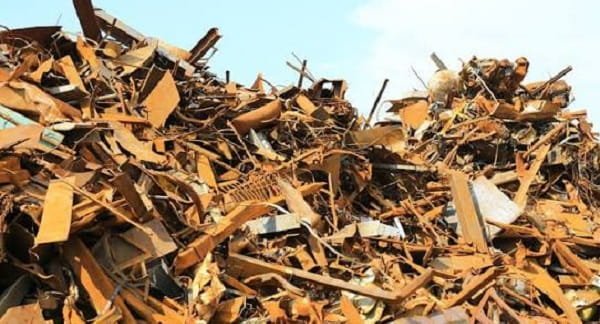
Legal Status of Scrap Metal Trading
No Indian law completely prohibits buying and selling scrap metal. Individuals, proprietorships, partnerships, LLPs and companies can operate this business legally.
The legal requirements depend on the nature of the activity. A broker who connects sellers with recycling plants may need fewer permissions than a dealer who maintains a large scrapyard. Businesses that process metal, dismantle machinery or handle hazardous scrap face additional regulation.
Local rules can also differ between states and municipal areas.
Registrations and Licences Required
A scrap metal trader may require the following registrations:
- Business registration as a proprietorship, partnership, LLP or company
- PAN and a current bank account
- GST registration when the applicable registration conditions are met
- Municipal trade licence
- Shops and Establishments registration, where applicable
- Fire department approval for certain warehouses or scrapyards
- State Pollution Control Board permission, depending on the activity
- Legal Metrology-compliant weighing equipment
If scrap is imported, the trader will generally require an Importer Exporter Code. The shipment must also comply with Customs, DGFT and environmental rules. Some categories of imported metal scrap may require inspection, contamination checks or additional documents.
Pollution Control Requirements
A business that only trades clean metal scrap may not always require the same environmental approvals as a recycling facility. The position changes when the trader stores large quantities or conducts cutting, shredding, baling, melting, washing or dismantling.
Such operations may require Consent to Establish and Consent to Operate from the relevant State Pollution Control Board.
Scrap contaminated with oil, chemicals, paint, batteries or industrial residue may fall within the Hazardous and Other Wastes Rules. Handling, storing or processing this material without the necessary authorisation can attract penalties.
The dealer should also prevent oil leakage, smoke, excessive noise, unsafe burning and contamination of soil or drains.
Special Categories of Scrap
Certain materials cannot be handled like ordinary iron or aluminium scrap.
Electronic scrap: Computers, circuit boards, electronic appliances and similar items are regulated under the E-Waste Management Rules. A general metal trader should not dismantle or recycle e-waste without the applicable registration or authorisation.
End-of-life vehicles: A normal scrap dealer cannot operate as an authorised vehicle scrapping facility. Dismantling vehicles and issuing official scrapping documents require registration under the Motor Vehicles (Registration and Functions of Vehicle Scrapping Facility) Rules.
Government and public-utility scrap: Railway material, electricity cables, telecom equipment, manhole covers and government machinery should be purchased only through authorised auctions or with valid disposal documents.
Preventing the Purchase of Stolen Metal
Knowingly receiving stolen property is a criminal offence. Scrap traders should therefore verify both the seller and the source of valuable material.
Good business records should include:
- Seller’s name, address and identity proof
- Purchase receipt or invoice
- Description and weight of the scrap
- Proof of ownership or source
- Delivery vehicle number
- Payment details
- Date of purchase
- Photographs for suspicious or high-value items
Copper cables, industrial machinery, new-looking construction materials and public-utility equipment require extra caution. Traceable bank or digital payments are preferable for high-value purchases.
GST, Invoices and Weighing
Scrap metal sales are generally taxable under GST at the applicable rate. Registered dealers must issue proper tax invoices, maintain purchase and sales records, file returns and generate e-way bills when required.
The weighing scale used in the business must be verified and stamped under Legal Metrology requirements. Manipulating weight, concealing the grade of metal or misleading customers can lead to consumer complaints and regulatory action.
When Can the Business Become Illegal?
A scrap metal business may become illegal when it:
- Purchases or stores stolen material
- Operates without mandatory municipal or environmental approvals
- Dismantles vehicles without RVSF registration
- Processes e-waste without applicable authorisation
- Burns cables to recover metal
- Handles hazardous waste without permission
- Evades GST or creates false invoices
- Uses manipulated weighing equipment
- Imports restricted scrap without proper clearance
Frequently Asked Questions
Q: Can a scrap dealer buy metal from individuals?
A: Yes. However, the dealer should record the seller’s identity, obtain proof of the source and issue a purchase receipt.
Q: Is Pollution Control Board permission always required?
A: Not necessarily. Pure trading may have fewer requirements, but storage, cutting, shredding, dismantling or processing may require consent. The applicable State Pollution Control Board should be consulted before opening a scrapyard.
Q: Can a scrap dealer dismantle old cars?
A: Only a registered vehicle scrapping facility can legally carry out authorised vehicle scrapping and issue the prescribed certificates.
Q: Can electrical cables be purchased as scrap?
A: Yes, but only when the seller provides credible ownership, auction or disposal documents. Unexplained power, railway or telecom cables should not be accepted.