Is Second-Hand Car Dealership Business Legal in India?
Yes, a second-hand car dealership business is legal in India, provided the dealer obtains the required authorisation, follows vehicle-transfer procedures and maintains proper business and tax records.
Rows of polished cars, inspection teams checking engines and customers comparing prices make a used-car showroom look like a straightforward retail business. Behind every vehicle, however, lies a chain of legal responsibilities involving ownership, insurance, pending loans, challans and registration records. A dealer who ignores these formalities may end up selling a disputed vehicle or becoming responsible for an accident. Therefore, compliance is a crucial part of running a second-hand car dealership in India.
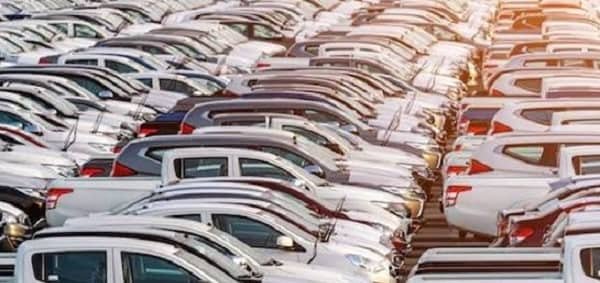
Legal Status of a Used-Car Dealership
The buying and selling of registered second-hand cars is permitted under the Motor Vehicles Act, 1988 and the Central Motor Vehicles Rules, 1989. The business may be operated as a sole proprietorship, partnership, LLP or private limited company.
However, a person cannot legally operate as a dealer of registered vehicles without obtaining an authorisation certificate from the registering authority or RTO having jurisdiction over the business location.
The government introduced specific rules for pre-owned vehicle dealers through the Central Motor Vehicles (Twenty-Sixth Amendment) Rules, 2022, which came into effect on April 1, 2023.
Authorisation Certificate for Second-Hand Car Dealers
A used-car dealer must apply electronically through Form 29A on the designated vehicle portal. After approval, the registering authority issues an authorisation certificate in Form 29B.
The application generally requires:
- PAN of the applicant or business
- Valid GST registration
- Business address and layout plan
- Certificate of incorporation, Shops and Establishments registration or Udyam registration
- Mobile number and email address
- Prescribed application fee
The fee for granting or renewing the authorisation certificate is ₹25,000. The certificate remains valid for five years and must be displayed prominently at the dealership. The dealer is also prohibited from parking or storing sale inventory on a public road. These requirements are stated in the official Central Motor Vehicles Amendment Rules.
What Happens When a Dealer Takes Possession of a Car?
When an owner delivers a car to an authorised dealer, both parties must submit Form 29C electronically. Once the form is successfully submitted, the dealer becomes the deemed owner while the vehicle remains in the dealership’s possession.
During this period, the dealer becomes responsible for the vehicle’s documents and any incident involving it. If the owner takes the vehicle back without selling it, both parties must submit Form 29D.
The dealer must also maintain:
- A digital inventory register in Form 29E
- An electronic trip register in Form 29F
- Purchase and sale agreements
- Payment and invoice records
- Copies of RC, insurance and Pollution Under Control Certificate
A vehicle in dealer possession may generally be driven only for a test drive, demonstration, repair, inspection or pollution testing. The authorisation number must be displayed as prescribed whenever the vehicle is taken onto a public road.
Vehicle Verification and Ownership Transfer
Before purchasing or listing a car, the dealer should verify its registration certificate, engine number, chassis number and ownership history. The business must also check for pending challans, unpaid road tax, active hypothecation, criminal cases and accident-related disputes.
If the car was purchased through finance, the loan must be cleared and the financier’s NOC obtained before removing hypothecation. After a sale, ownership should be transferred promptly to the buyer through the applicable VAHAN or RTO procedure. Merely handing over the keys does not complete the legal transfer.
GST and Income-Tax Compliance
Registered dealers are generally required to maintain GST invoices and proper accounts. Following the GST changes introduced in 2025, old and used vehicles, including electric vehicles, generally attract 18% GST on the dealer’s margin rather than the car’s entire selling price, subject to the applicable valuation conditions. The margin is normally the difference between the purchase price and selling price. The exact treatment should be confirmed with a tax professional.
Business profits must also be reported while filing the applicable income-tax return.
When Can the Business Become Illegal?
A second-hand car dealership can face legal action for:
- Selling stolen vehicles or cars with forged papers
- Concealing serious accident, flood or fire damage
- Tampering with the odometer
- Selling a vehicle without the owner’s permission
- Giving customers false warranty or ownership information
- Avoiding registration transfer or issuing fake invoices
- Using vehicles in dealer possession for unauthorised personal trips
Such conduct may result in cancellation of the dealer’s authorisation, consumer complaints, civil liability or criminal proceedings.
Frequently Asked Questions
Q: Can a dealer sell a car with an active bank loan?
A: The outstanding loan must normally be settled or transferred with the lender’s approval. A dealer should not sell the vehicle while hiding active hypothecation from the buyer.
Q: Is a separate authorisation needed for every showroom?
A: Authorisation is connected to the declared place of business and the jurisdictional registering authority. A dealer opening another location should confirm whether an additional certificate is required.
Q: Who is responsible if a car meets with an accident while at the dealership?
A: After Form 29C is submitted, the authorised dealer becomes the deemed owner and is responsible for incidents connected with the vehicle while it is in the dealer’s possession.
Q: Can an authorised dealer allow unlimited test drives?
A: No. Test drives must be reasonable and recorded in the electronic trip register. The driver must carry the required documents during the trip.