Top 5 Business Ideas Near Bank
The token display changes from 42 to 43 while another customer searches through a folder for a missing photocopy. Outside the branch, a shopkeeper needs help printing an account statement, an elderly visitor looks for someone to complete an online form, and a business owner prepares documents for a loan meeting. Nearby, bank employees step out for a quick cup of tea before returning to their desks.
A bank attracts salaried employees, pensioners, business owners, students and borrowers. Many visitors need printing, documentation, professional assistance and refreshments before or after completing their banking work. A nearby business can succeed by saving time while protecting customers’ private information. Let’s check out the top five business ideas near a bank.
1. Printing, Photocopy and Documentation Centre
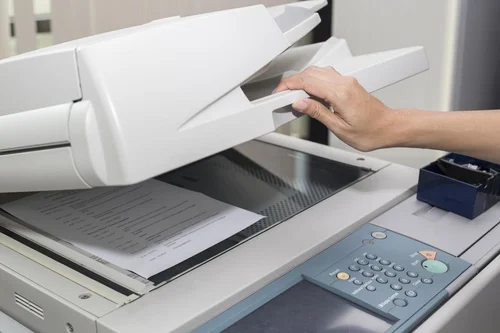
A documentation centre is one of the most practical businesses near a bank. Customers frequently need photocopies of identity documents, photographs, account statements, applications and supporting papers.
The shop can provide black-and-white printing, colour printing, scanning, passport photographs, lamination and document binding. Files may be received through email or WhatsApp for faster service.
Staff can help customers type information supplied by them, but they should not decide what financial information the customer must provide. Bank forms and signatures must never be completed without the customer’s clear instructions.
Customer data should be deleted after the work is finished. Identity documents, bank statements and account numbers must not remain saved on public computers. A fast printer, backup internet connection and reliable power supply are essential for uninterrupted service.
2. Accounting and Tax Assistance Centre
Banks regularly serve shopkeepers, professionals, freelancers and small businesses that may also need accounting and tax-related support. A qualified accounting centre near the branch can provide these services.
The business may offer bookkeeping, income-tax return preparation, GST-related assistance, payroll support and preparation of financial records. It can also organise documents required by clients for legitimate bank applications.
Only trained professionals should handle tax and compliance work. Where a service requires a chartered accountant, company secretary or another authorised professional, the business should work through someone with the appropriate qualification.
Service charges and responsibilities should be explained in writing. Customers’ financial records must remain confidential and securely stored. The centre should never guarantee loan approval or claim to have special influence over bank officials.
3. Stationery and Custom Printing Store
Bank customers and nearby businesses frequently need files, envelopes, pens, registers and other office supplies. A stationery store can serve both individual visitors and commercial clients.
The shop may stock document folders, legal-size paper, staplers, calculators, notebooks, printer paper and packaging envelopes. Custom services can include visiting cards, letterheads, invoice books, nameplates and permitted rubber stamps.
Orders can be collected through WhatsApp and delivered to nearby offices. Monthly supply arrangements with banks, accountants, lawyers and shops may generate repeat business.
The store must not reproduce bank seals, official stamps, identity cards or documents without proper authority. Clear order records and customer verification should be maintained for any product that could be misused.
4. Courier and Secure Document Delivery Service
Individuals and businesses often need to send signed forms, agreements, cards and financial documents to another office or city. A courier centre near a bank can provide convenient and trackable delivery.
Services may include local same-day delivery, domestic courier booking, document packaging and proof of delivery. Tamper-evident envelopes can be offered for sensitive papers.
The business can collect parcels from nearby shops and offices. Every customer should receive a receipt showing the destination, weight and tracking details. Clear information about estimated delivery time and prohibited items can prevent disputes.
Sensitive documents must be stored securely until dispatch. Staff should never open envelopes or leave customer papers unattended. Reliable tracking and careful handling can help the business build long-term relationships with local companies.
5. Tea, Breakfast and Quick-Snack Counter
Bank branches can remain busy for several hours, and customers may wait longer during salary days, pension dates or periods of heavy demand. A nearby food counter can serve visitors, bank employees and local office workers.
The menu may include tea, coffee, poha, idli, sandwiches, samosa and simple lunch boxes. Quick service is important because bank staff usually have limited break time.
Breakfast and tea may create the strongest demand, while packed lunches can be delivered to nearby offices. Monthly tea or meal arrangements with local businesses can provide regular income.
The outlet must maintain clean utensils, safe drinking water and proper waste disposal. It should also obtain the required food registration or licence and avoid blocking the bank entrance or pedestrian movement.
How to Select the Right Business
Before investing near a bank, consider these important points:
- Branch type: A retail branch, business-banking branch and regional office may attract different customers.
- Daily footfall: Observe customer numbers on ordinary days as well as salary and pension dates.
- Nearby offices: Accountants, insurance offices, government departments and markets can provide additional customers.
- Existing services: Check whether printing, stationery, courier and food businesses already operate in the area.
- Customer privacy: Any business handling identity or financial documents needs secure systems and trained staff.
- Working hours: Most bank-related demand occurs during weekdays and banking hours.
- Professional qualifications: Tax, accounting and regulated services must be handled by properly qualified or authorised people.
- Location rules: Confirm parking, signage, commercial-use and vending permissions before opening.
Conclusion
A bank can create useful opportunities for businesses offering documentation, accounting, stationery, courier and food services. The best idea will be one that solves a common customer problem quickly and professionally. Privacy and honesty are especially important because visitors may carry sensitive financial documents. By maintaining transparent prices, secure systems and dependable service, a small business near a bank can attract regular customers from both the branch and surrounding commercial area.