Top Home Window Design Trends Every Homeowner Should Know This Year
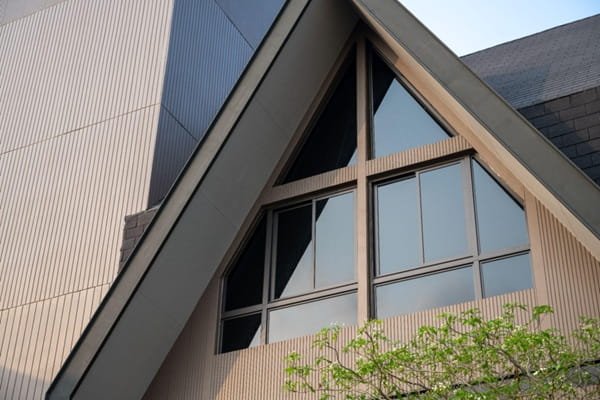
Windows have moved from the background of a building to the centre of its design. A well-planned home window design now shapes how much daylight enters a room, how cool it stays in summer, how quiet it remains in a busy neighbourhood, and how the façade reads from the street. Across the Indian housing market, homeowners and architects are specifying windows that combine clean aesthetics with measurable performance. The following trends define fenestration’s direction this year.
1. Larger Glass, Slimmer Frames
The most visible shift is the move towards large, uninterrupted panes held in narrow frames. Slim sightlines let in more daylight, frame outdoor views without visual clutter, and make compact rooms feel more spacious. Aluminium makes this look achievable because its strength lets thin profiles support heavy glass without bending. Multi-panel sliding windows, fixed picture windows and full-height glazing are steadily replacing the small, heavily gridded openings that once defined Indian homes.
2. Floor-to-Ceiling Openings
Full-height glazing continues to gain ground in living rooms and bedrooms that face a balcony or garden. French windows, with a pair of hinged sashes extending to the floor, remain a favourite because both leaves open fully for ventilation and easy access. Where swing space is limited, floor-length sliding or tilt-and-slide windows achieve a similar effect.
In hot climates, full-height glass requires careful specification. Solar-control or low-emissivity (low-E) glass limits heat gain, while overhangs and external shading keep west-facing rooms comfortable through the afternoon.
3. Black, Bronze and Woodgrain Finishes
White and plain silver frames are giving way to darker and warmer tones. The finishes leading this shift include:
- Matte black: Creates a sharp, graphic outline around a view and pairs well with contemporary interiors.
- Bronze, champagne and grey anodised: Offer a softer, more refined appearance.
- Woodgrain: Brings the warmth of timber without its upkeep.
Anodised aluminium suits this trend particularly well, because the anodic layer forms part of the metal surface itself and resists fading and peeling. On sun-facing elevations, pair darker frames with good-quality glazing, since dark surfaces absorb more heat.
4. Glass-to-Glass Corner Windows
Corner windows remove the solid post where two walls meet, allowing the glass panes to join directly at the corner. The result is a wraparound view and noticeably brighter interiors. Manufacturers such as TOSTEM now include glass-to-glass corner designs within their aluminium windows range, bringing a detail once limited to bespoke architectural projects within reach of everyday residences.
Must Read:- Noise Insulation Doors for Clinics, Studios and Offices: A Buyer’s Guide
5. Acoustic Comfort for Urban Living
Traffic, construction, and dense neighbourhoods have raised background noise in Indian cities, making sound insulation a core requirement rather than an optional upgrade. Laminated glass, double-glazed units and airtight EPDM gaskets work together to reduce the noise entering bedrooms and home offices. Casement windows, which press firmly against their seals when closed, generally outperform basic sliding designs on airtightness and are a sound choice for rooms facing a main road.
6. Ventilation Designed for the Monsoon
Homeowners increasingly want fresh air without letting in rain or dust. Three window types answer this need well:
- Awning windows: Hinged at the top and opening outwards from the bottom so that the sash can stay partly open during light rain.
- Glass and aluminium louvres: Provide controlled airflow in bathrooms, kitchens and stairwells.
- Tilt-and-slide windows: Allow the sash to tilt slightly for ventilation while remaining locked in position.
Ventilation is now planned as part of the window rather than left to chance.
7. Pre-Engineered System Windows
Site-fabricated windows depend heavily on individual workers’ skill, leading to inconsistent fit and sealing. Pre-engineered system windows address this by moving most of the work into the factory. Profiles are cut and machined to precise tolerances, hardware is pre-fitted, and only assembly and glazing take place on site. The result is a more accurate fit, consistent sealing across every opening, and a cleaner, quicker installation, which is why specifiers increasingly choose system windows for new residential projects.
8. Sustainable, Long-Life Materials
Environmental awareness is shaping material choices across the housing market. Aluminium is fully recyclable, doesn’t rot or rust, and doesn’t release toxic fumes in a fire. Its long service life means fewer replacements over the building’s life, and energy-efficient glazing reduces the load on air conditioning. Durable, low-maintenance frames are increasingly seen as both a responsible and economical choice.
Conclusion
A west-facing bedroom in Delhi, a sea-facing flat in Mumbai and a hillside home in Shimla all call for different glazing, finishes and opening styles. The trends worth following improve daily comfort: more daylight, better sealing, quieter rooms, and reliable ventilation. Choose windows on the strength of their glass, seals and frame engineering first, and the design will hold its value for decades.