Top 5 Business Ideas Near Mosque
As the call to prayer begins, the street changes its rhythm. Shopkeepers lower their voices, footwear shelves begin filling, and worshippers walk towards the entrance in quiet groups. A few minutes later, the road becomes active again as families purchase food, elderly visitors search for transport, and people stop for prayer caps, attar or other everyday items.
A mosque may attract worshippers five times a day, with much larger gatherings during Friday prayers, Ramadan, Eid and other important occasions. Businesses nearby should serve practical community needs while maintaining cleanliness, modesty and respect for prayer times. Let’s check out the top five business ideas near a mosque.
1. Halal Food and Refreshment Outlet
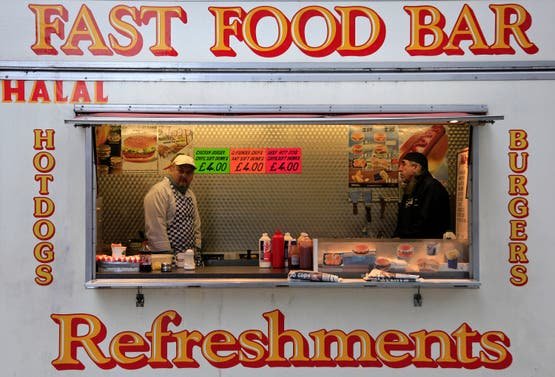
A food outlet near a mosque can serve worshippers, local residents, travellers and nearby workers. Demand may be strongest before or after major prayer times and during evenings.
The menu can include tea, coffee, breakfast items, rice meals, kebabs, rolls, sweets and regional dishes. A smaller menu prepared consistently is better than a large selection that leads to waste.
During Ramadan, the outlet may provide pre-ordered iftar boxes and early-morning meal packages. It can also supply food for community gatherings where permitted. However, quantity, delivery time and pricing should be agreed upon clearly.
If food is described as halal, ingredients, preparation and sourcing must genuinely follow the applicable requirements. The outlet should obtain the necessary food registration or licence and maintain clean cooking, serving and waste-disposal areas.
2. Prayer Essentials and Modest Clothing Store
Worshippers may need prayer caps, scarves, prayer mats or suitable clothing before visiting the mosque. A small shop can stock these products along with useful everyday garments.
The store may sell kurtas, pyjamas, abayas, hijabs, prayer caps, socks and simple children’s clothing. Different sizes and affordable price ranges can make it suitable for a wider community.
Basic alteration services can generate additional income. Customers may need sleeves, hems or garment lengths adjusted quickly, especially before Ramadan and Eid.
The shop should study the preferences of the local community instead of assuming that the same products will sell everywhere. Clearly displayed prices, respectful service and good-quality fabric can help create repeat demand throughout the year.
3. Islamic Books, Attar and Gift Shop
A book and gift store can serve people looking for religious reading material, fragrances and meaningful presents. Demand may rise before Eid, weddings and family occasions.
Products may include Qurans, translations, children’s books, calendars, greeting cards, attar, tasbih, framed calligraphy and gift sets. Books can be stocked in Arabic, English, Hindi, Urdu and the local language depending on demand.
Religious texts should be handled and stored respectfully. Translations and educational books should come from dependable publishers. Decorative products must also avoid incorrect verses or careless printing.
Online ordering and gift delivery can help the shop serve customers beyond the immediate neighbourhood. Festival hampers containing fragrances, books and permitted food products may provide additional income.
4. Secure Footwear, Helmet and Locker Service
Large mosques may receive many worshippers at the same time, especially during Friday prayers and festivals. A secure storage service can help organise footwear, helmets and small bags.
The business may use numbered shelves, tokens or digital receipts. Separate sections can be created for shoes, helmets and bags so that items are returned quickly after prayers.
CCTV cameras, trained staff and clear charges are important. Valuable jewellery, cash and prohibited materials should not be accepted. Customers should be informed about what the service can and cannot store.
The counter must operate from an authorised location and should not block the mosque entrance. Extra racks and temporary staff may be required during Ramadan and Eid gatherings.
5. Two-Wheeler Parking and Local Transport Service
Parking can become difficult around busy mosques, particularly during Friday prayers. A properly managed parking area can reduce congestion and provide safer vehicle storage.
The business may offer hourly parking for two-wheelers and bicycles. If sufficient land is available, a section can be reserved for cars. Every vehicle should receive a numbered ticket, and CCTV coverage should be provided wherever possible.
The operator can also coordinate verified auto-rickshaws or taxis for elderly worshippers and visitors. However, drivers should not block the entrance or pressure passengers.
Parking fees must be displayed clearly. The site should have safe entry and exit points, adequate lighting and trained attendants. Approval from the property owner and relevant local authority is necessary before beginning operations.
How to Select the Right Business
Before investing near a mosque, consider these important points:
- Size of the mosque: A neighbourhood mosque and a major historic mosque may attract very different customer numbers.
- Community needs: Speak with local residents and mosque representatives to understand which services are genuinely required.
- Prayer schedule: Business activity may rise before and after prayers but become quiet while worship is taking place.
- Friday and festival crowds: Plan staffing and stock for larger gatherings without depending only on occasional peak days.
- Existing facilities: Check whether the mosque already offers footwear storage, drinking water, parking or community meals.
- Respectful operation: Avoid loud music, aggressive selling and activities that disturb prayer or block access.
- Cleanliness: Arrange proper disposal of food waste, packaging and other rubbish around the premises.
- Permissions: Confirm vending, parking, signage and commercial-use rules before opening.
Conclusion
A mosque area can support useful businesses related to halal food, modest clothing, religious books, secure storage and parking. The right opportunity will depend on the size of the mosque, local community and existing services. Respectful behaviour, fair pricing and cleanliness are essential. A business that serves worshippers without disturbing prayer or creating congestion can build strong trust and steady support from the surrounding community.