Is Weed Legal in America?
Weed, commonly called marijuana or cannabis, is legal in some parts of the United States but not throughout the country. The key distinction is federal versus state law. Federal law continues to regulate marijuana, while many states permit medical or adult recreational use under their own regulatory systems. As a result, whether weed is legal depends on the state and the activity involved.
Is Weed Legal Under Federal Law?
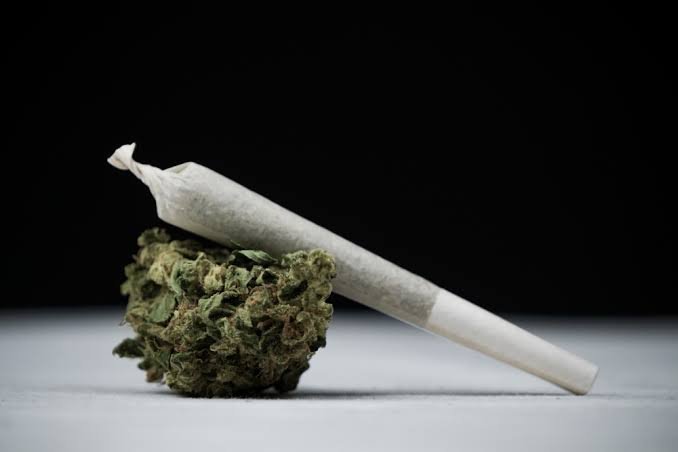
Federal law regulates marijuana under the Controlled Substances Act (CSA). Unlicensed marijuana remains a Schedule I controlled substance, making possession, manufacture, distribution, and dispensing federally unlawful except in limited circumstances. This creates a continuing difference between federal and state cannabis laws.
In April 2026, the U.S. Department of Justice announced an order placing FDA-approved marijuana products and marijuana products covered by qualifying state medical-marijuana licenses into Schedule III. However, this did not federally legalize recreational marijuana or remove all cannabis from the CSA. The broader proposal to transfer marijuana to Schedule III remained subject to an administrative process.
Which States Allow Recreational Weed?
Many states allow adults to possess and use cannabis for non-medical purposes, generally subject to age, quantity, purchase, and location restrictions. The National Conference of State Legislatures reported that 24 states, three territories and the District of Columbia allowed or regulated adult non-medical cannabis use as of June 26, 2025. NCSL continues to track enacted cannabis legislation across the states.
State legalization normally operates through a regulatory framework covering licensing, possession limits, cultivation, testing, packaging, and taxation.
Legalization also does not mean every cannabis activity is permitted. A state may allow an adult to purchase marijuana from a licensed dispensary while prohibiting public consumption, unlicensed sales, possession above a specified amount, or driving while impaired.
What About Medical Marijuana?
Medical cannabis is available in more states than adult recreational cannabis. NCSL reported that 41 states, three territories, and the District of Columbia allowed medical use of cannabis products as of June 26, 2025.
Medical programs require patients to meet state-specific conditions, which can include a qualifying condition, healthcare certification, registration, or a medical cannabis card. Possession limits and home-cultivation rules also vary.
The federal government’s 2026 action concerning state-licensed medical marijuana changed part of the federal regulatory framework. However, medical cannabis remains subject to federal controls, and Schedule III treatment does not make every marijuana product or use federally lawful.
Can You Use Weed Anywhere?
No. Even where recreational cannabis is legal, laws can restrict where it may be consumed. Public consumption may be prohibited, and employers, landlords, schools, and other institutions can impose additional rules.
Driving while impaired by cannabis is prohibited. State legalization also does not generally make marijuana lawful on federal property, where federal law continues to apply.
Can You Take Weed Across State Lines?
Crossing a state border with cannabis can create legal problems even when marijuana is legal in both states. A product legally purchased in one state does not automatically become lawful to transport through another.
Because federal law continues to regulate marijuana, interstate transportation can raise additional federal concerns. A state-issued cannabis authorization should not be treated as nationwide permission to carry marijuana.
Legalization vs. Decriminalization
Legalization generally permits specified cannabis activities under a regulatory framework. Decriminalization is different: it usually reduces or removes criminal penalties for particular conduct without creating a legal commercial market.
A jurisdiction might therefore impose only a civil penalty for possessing a small amount while continuing to prohibit recreational sales or commercial cultivation.
Is Hemp the Same as Weed?
Hemp and marijuana are legally distinct under federal law. Federal law has historically defined hemp using a delta-9 THC concentration of no more than 0.3 percent on a dry-weight basis.
However, legislation enacted in 2025 changes the federal hemp definition, with the new framework scheduled to take effect in November 2026. Consumers should verify the rules for a particular hemp-derived or THC product rather than assuming every low-THC product is legal.
What Is the Current Legal Position?
The most accurate answer is that weed is neither uniformly legal nor uniformly illegal in America. State laws permit medical cannabis in much of the country and adult recreational cannabis in numerous jurisdictions, while federal law continues to impose significant restrictions.
The federal government’s 2026 action concerning certain medical marijuana products changed part of the federal regulatory framework, but it did not create nationwide recreational legalization. The DEA continued proceedings concerning the broader proposal to move marijuana to Schedule III.
Anyone dealing with cannabis should check the law of the state and activity involved.
Conclusion
Weed is legal for certain purposes in many parts of the United States, but there is no nationwide rule making marijuana legal everywhere. State legalization can permit medical or recreational use under specific conditions, while federal law continues to regulate marijuana separately. The legal status can also depend on the product, quantity, location, and activity.
Because cannabis laws change, state and federal rules should be verified before possessing, using, selling, cultivating, or transporting marijuana.