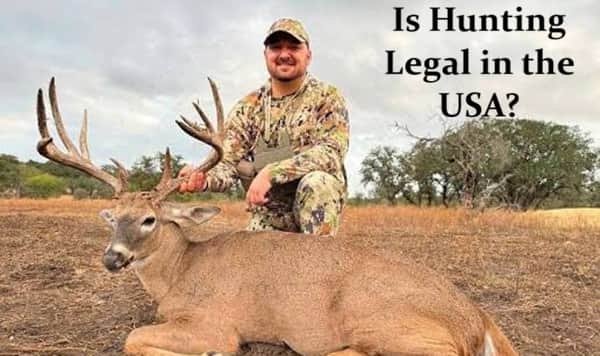
Is Hunting Legal in the USA?
Hunting is legal in the United States, but it is a regulated activity rather than an unrestricted right to hunt any animal anywhere. In most cases, hunters need a license issued by the state where the hunt occurs and must follow rules on seasons, species, methods, locations, and harvest limits. Federal laws can also apply, particularly to migratory birds, federally managed lands, and protected wildlife.
Who Regulates Hunting in America?
Hunting regulation is divided primarily between state and federal authorities. State wildlife agencies generally establish rules for game such as deer, elk, and turkey. These rules determine when hunting is permitted, what methods may be used, how many animals may be harvested, and whether additional tags or permits are required.
Federal rules are particularly important for migratory game birds and hunting on federal lands. The U.S. Fish and Wildlife Service works with states and tribes to establish federal conditions for migratory bird hunting, while states and tribes set their seasons within those limits.
Do You Need a Hunting License?
Usually, yes. The U.S. Fish and Wildlife Service states that, in most cases, a person must have a hunting license from the state where the hunt takes place.
Some hunts require additional permits, stamps, or tags. For example, federal rules require hunters aged 16 and older who hunt migratory waterfowl to possess a Migratory Bird Hunting and Conservation Stamp, along with applicable state and federal requirements.
Hunters should check the wildlife agency for the state where they plan to hunt.
Are There Hunting Seasons and Bag Limits?
Yes. Most game species can only be hunted during designated seasons. Dates can differ by species, geographic area, weapon, and hunter category.
Hunting regulations also commonly establish daily bag and possession limits. For migratory birds, federal conditions cover season dates, shooting hours, bag limits, possession limits, and areas where hunting may occur; states and tribes establish seasons within those federal parameters.
Hunting outside an applicable season or exceeding a limit can result in a wildlife-law violation.
Can You Hunt on Private Property?
Hunting on private land may be legal when the hunter complies with applicable laws and has lawful access or permission. A hunting license does not generally give someone permission to enter another person’s property. Trespass laws, property boundaries, local firearm-discharge rules, and wildlife regulations may also apply.
Is Hunting Legal on Federal Land?
Hunting is permitted in many federal areas, but it is not automatically allowed everywhere. National wildlife refuges and other federal lands can have location-specific seasons, permits, fees, and restrictions.
The Fish and Wildlife Service states that some national wildlife refuges require their own permits or user fees. Hunters must also comply with refuge-specific regulations and applicable federal and state rules.
What About Migratory Birds?
Migratory bird hunting has additional federal regulation under the Migratory Bird Treaty Act. The Fish and Wildlife Service establishes conditions covering seasons, shooting hours, bag and possession limits, and hunting areas, while states and tribes establish seasons within those federal limits.
In August 2026, the Service finalized a streamlined process for authorizing seasonal migratory game bird hunting while continuing annual science-based harvest decisions.
What Happens if You Hunt Illegally?
Penalties depend on the applicable law and violation. Illegal hunting can result in fines, loss or suspension of hunting privileges, seizure of equipment or wildlife, and, in some circumstances, criminal charges. Common violations include hunting without a required license, exceeding bag limits, taking protected species, hunting during a closed season, or using prohibited methods.
Is Hunting Legal in the USA?
Yes. Hunting is legal in the United States, but it is subject to extensive regulation. A person generally needs the appropriate state license and must comply with species-specific and location-specific requirements. Federal rules can add restrictions, particularly for migratory birds and federally managed lands.
The answer depends on what animal is being hunted, where the hunt occurs, when it occurs, how the animal is taken, and whether the hunter has the required license, permit, tag, or permission.
Conclusion
Hunting is a lawful but regulated activity in the United States. State wildlife agencies play the central role in regulating most hunting, while federal laws govern certain wildlife and federal lands.
Before hunting, a person should verify current state regulations, season dates, license and tag requirements, property-access rules, weapon restrictions, and applicable federal requirements. The U.S. Fish and Wildlife Service advises hunters to consult current federal and state regulations before hunting.