Top 5 Business Ideas Near Toll Plaza
The barrier lifts, the FASTag light turns green, and vehicles accelerate back onto the highway. A family begins searching for a clean washroom, a truck driver looks for a safe place to rest, and a motorcyclist notices that the rear tyre is losing air. Farther ahead, an electric car driver checks the remaining battery range. These needs appear within minutes of crossing a toll plaza.
Toll plazas receive a regular movement of cars, buses, trucks and commercial vehicles. However, businesses cannot be placed carelessly beside fast-moving traffic. The right site should have approved access, safe parking and enough distance from toll lanes. When properly located, highway businesses can attract both long-distance travellers and transport workers.
Let’s check out the top five business ideas near a toll plaza.
1. Highway Dhaba and Quick-Service Food Centre
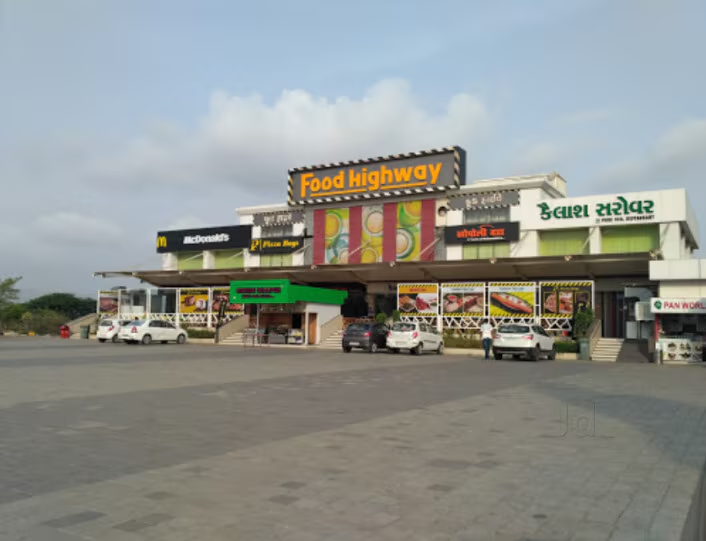
A clean dhaba or food centre is one of the strongest businesses near a toll plaza. Travellers often prefer stopping after crossing the toll point, particularly when they have been driving for several hours.
The menu can include tea, coffee, parathas, rice meals, dal, vegetables, sandwiches and packaged snacks. Separate quick-service and seated dining sections can serve customers with different time limits.
Clean washrooms, safe parking, drinking water and visible prices can become major advantages. A small children’s play corner may also attract families travelling by car.
Truck drivers and bus staff may prefer affordable meal packages, while families may value hygiene and comfortable seating. The business must obtain the required food registration or licence and follow proper storage and kitchen-cleanliness standards.
2. Tyre, Puncture and Minor Vehicle Repair Centre
Tyre damage, overheating, low air pressure and minor mechanical problems are common concerns during highway travel. A repair centre near a toll plaza can provide assistance before the vehicle continues into a longer and possibly isolated stretch.
Services may include puncture repair, tyre inflation, wheel checking, battery jump-starting, engine-oil top-ups and minor emergency repairs. The shop can stock basic tools, bulbs, fuses, wiper blades and approved lubricants.
Trained mechanics and clear service charges are essential. Customers should be informed before any part is replaced. The centre must not claim to perform complex repairs without suitable equipment.
Adequate parking space is necessary so that damaged vehicles do not block the highway or service road. Reflective signs and proper lighting can help drivers locate the facility safely at night.
3. Highway Convenience Store with Clean Washrooms
A convenience store can serve travellers who need water, snacks or journey essentials without sitting down for a full meal. The store may stock packaged food, bottled beverages, tissues, toiletries, umbrellas, phone chargers, travel pillows and basic car-cleaning products.
A clean washroom facility can become the main reason travellers stop. Separate facilities, regular cleaning, adequate water, lighting and accessible toilets should be considered.
The store can also sell local food products and handicrafts, giving travellers an opportunity to purchase regional items during their journey. Digital payments and quick billing can reduce waiting time.
Parking should be designed for cars and two-wheelers without interfering with trucks or buses. The premises must remain well lit and visible while avoiding signs that could distract or confuse highway drivers.
4. EV Charging Station and Rest Lounge
Electric vehicles may require charging during long-distance journeys. A well-positioned charging station near a busy toll plaza can serve electric cars and commercial vehicles travelling on the highway.
The facility can install suitable chargers after studying the types of EVs using the route. A small waiting lounge with seating, refreshments, Wi-Fi and washrooms can generate additional income while customers wait.
Reliable electricity supply, power backup and proper technical maintenance are essential. Charging prices and estimated time should be displayed clearly.
The operator must obtain the required electrical, fire-safety and commercial approvals. Charging equipment should be installed and maintained by qualified professionals. Before investing, study actual EV traffic on the route because demand may differ greatly between highways.
5. Secure Truck Parking and Driver Rest Centre
Truck drivers need safe places to park, eat, bathe and rest. A secure parking facility near a toll plaza can serve vehicles travelling between industrial areas, ports, warehouses and wholesale markets.
The centre may provide marked truck bays, toilets, bathing facilities, drinking water, a dormitory and a small canteen. Additional services may include tyre checks, vehicle washing and assistance with authorised logistics documents.
CCTV, security guards and entry records can help protect vehicles and cargo. Parking charges should be based on duration and displayed clearly.
The facility requires substantial land and careful traffic planning. Separate entry and exit points can reduce congestion. Hazardous-goods vehicles may require dedicated arrangements and should not be accepted unless the facility meets applicable safety rules.
How to Select the Right Business
Before investing near a toll plaza, study both traffic and legal access. Pay attention to these important points:
- Identify whether the route mainly carries cars, buses, trucks or tourist traffic.
- Select land with approved entry and exit from a service road.
- Never place a shop directly in the toll approach or vehicle-acceleration zone.
- Check nearby wayside amenities and existing competition.
- Measure demand in both travel directions.
- Provide sufficient parking for the customers you plan to serve.
- Confirm highway authority, land-use, fire-safety and local business permissions.
- Install proper lighting, CCTV and reflective directional signs.
- Keep emergency contact numbers and basic first-aid supplies available.
- Avoid depending only on toll congestion because electronic tolling can reduce stopping time.
Conclusion
A toll plaza can support several highway-focused businesses, but location safety is more important than simple proximity. Food centres, repair shops, convenience stores, EV chargers and truck-rest facilities can all attract regular travellers when they provide reliable service and safe access. The strongest business will solve an immediate journey-related need without creating additional traffic risk. With approved entry, visible pricing, clean facilities and dependable operation, a roadside business near a toll plaza can become a trusted stop along the route.