Top 5 Business Ideas Near Slum Area
A school uniform tears the evening before class. A worker returning home needs an affordable dinner. In another house, the ceiling fan stops working, while someone nearby is trying to recharge a phone before an urgent call. Each problem is small, but it cannot wait. For a local entrepreneur, these everyday needs can become the foundation of a useful and sustainable business.
People living in low-income settlements generally look for fair prices, convenient locations and products sold in practical quantities. Expensive interiors matter less than honest dealing and dependable service. Businesses in these areas should focus on solving frequent problems without placing additional financial pressure on customers.
Let’s check out the top five business ideas near a slum area.
1. Affordable Grocery and Refill Store
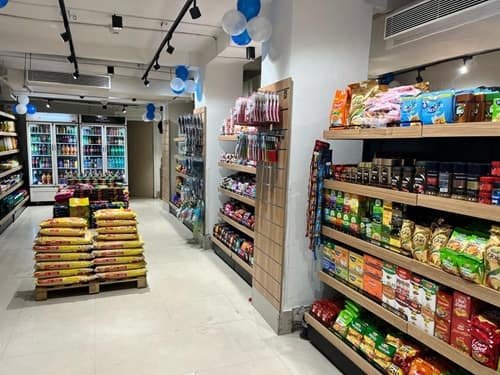
A small grocery shop can become an essential part of the neighbourhood by selling daily-use products in affordable quantities. Families regularly need rice, flour, pulses, cooking oil, spices, soap, detergent and personal-care items.
Instead of stocking only large packets, the shop can offer smaller packs and refill options. Customers can then purchase according to their immediate household budget. Loose products should be stored hygienically, measured accurately and protected from moisture and insects.
The owner should study which products are bought daily and which remain unsold. A limited but fast-moving inventory is usually better than filling the shop with unnecessary items.
Home delivery for elderly residents and advance ordering through WhatsApp can provide added convenience. Any credit facility should have clear limits so that unpaid balances do not damage the business.
2. Low-Cost Meal and Tiffin Service
Many residents work long hours as drivers, construction workers, domestic workers, security guards or daily-wage earners. They may need an affordable meal before work or after returning home.
A small food counter can serve tea, poha, idli, rice, dal, roti, vegetables and other local dishes. The menu should remain simple so that food can be prepared in larger quantities without creating excessive waste.
Daily and weekly tiffin plans may attract workers, students and elderly residents. Customers could collect meals from the counter or receive delivery within the neighbourhood.
Clean preparation, safe drinking water and proper food storage are essential. The operator must also obtain the required food registration or licence. Fair portions and consistent taste can help the business grow through word-of-mouth recommendations.
3. Mobile Repair, Recharge and Digital Service Centre
A mobile phone is important for employment calls, digital payments, education and communication. However, travelling to a distant market for a minor repair can cost both time and money.
A small service centre can offer phone recharging, screen-guard installation, charging-cable sales, battery replacement and basic mobile repairs. Affordable used phones and refurbished accessories may also attract customers when their quality is checked properly.
The shop can assist residents with online forms, document scanning, ticket booking, photocopying and government-service applications. Customers should receive clear information about service charges before any work begins.
Privacy is extremely important. Personal documents, passwords, OTPs and identity details must never be stored or misused. Complicated repairs should be accepted only when the technician has the necessary skills.
4. Tailoring and Clothing Alteration Shop
Tailoring is a practical business because clothes frequently need repair, resizing or alteration. A neighbourhood tailor can work from a small shop or even a properly arranged home workspace.
Services may include stitching school uniforms, replacing zips, repairing torn clothes, shortening garments and altering second-hand clothing. The tailor can also make simple blouses, petticoats, children’s clothes, bags and reusable cloth items.
School-opening seasons and festivals may create additional demand. Orders should be recorded with the customer’s name, measurements, delivery date and advance payment.
A tailoring unit can also train and employ local women. A small group may divide cutting, stitching and finishing work, allowing the business to accept larger uniform or cloth-bag orders.
5. Repair and Second-Hand Goods Centre
Repairing an existing item is often more affordable than purchasing a new one. A repair centre can therefore serve a valuable need while reducing waste.
Depending on the owner’s skills, the shop may repair fans, mixers, irons, bicycles, pressure cookers, chairs and basic electrical items. It can also purchase damaged products, repair them and resell them at reasonable prices.
Every second-hand product should be tested before sale. The customer should be told clearly whether the item is new, repaired or used. Providing even a short service guarantee can improve trust.
Electrical repairs must be performed by a trained person because unsafe wiring can lead to shocks or fires.
How to Select the Right Business
Before investing, study the neighbourhood carefully and speak directly with residents. Pay attention to these main points:
- Identify products or services for which residents currently travel a long distance.
- Select an idea that matches your skills and available investment.
- Keep prices transparent and offer practical quantities.
- Check municipal permissions, vending rules and required licences.
- Begin with a small setup and expand only after demand becomes regular.
- Avoid high rent that forces you to charge more than local customers can afford.
- Build relationships with community groups and local self-help groups.
Conclusion
The best business near a slum area is one that combines affordability with genuine usefulness. Grocery stores, meal services, mobile centres, tailoring shops and repair businesses can generate regular income because they address everyday needs. Success should not depend on charging high margins to financially vulnerable customers. Honest prices, dependable quality and respectful service can build lasting community trust. When residents see that a business understands their needs, they are more likely to support it and recommend it to others.