Top 5 Business Ideas Near Railway Station
The first train has not yet arrived, but the road outside the railway station is already awake. Tea boils in steel kettles, auto-rickshaw drivers call out destinations, travellers pull heavy suitcases across the pavement, and hotel workers wait for new guests. A few hours later, another train arrives and the entire scene begins again with a fresh crowd.
Railway stations remain active for long hours and attract tourists, workers, students, families and business travellers. This creates demand for food, accommodation, transport and other useful services. However, the right business will depend on the size of the station, passenger profile, available space and local competition.
Let’s check out the top five business ideas near a railway station.
1. Affordable Restaurant and Refreshment Centre
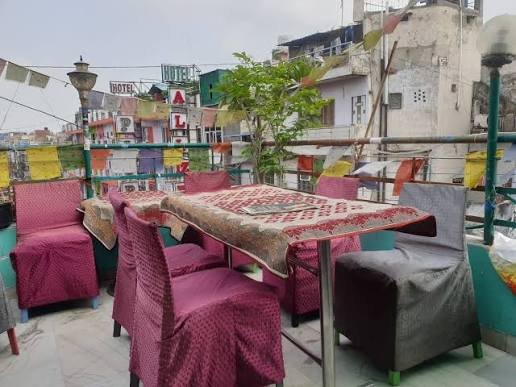
A clean restaurant or takeaway counter is one of the strongest business options near a railway station. Travellers frequently need breakfast, tea, drinking water, packed meals or light snacks before boarding a train.
The menu can include tea, coffee, poha, idli, parathas, sandwiches, rice meals and regional dishes. Packed food should be easy to carry and prepared hygienically. Offering both vegetarian and non-vegetarian options may work in some locations, but the menu should match local demand.
Quick service is important because many customers have limited time. A visible kitchen, clean seating area, digital payment facility and clearly displayed prices can help the outlet earn travellers’ trust. The owner must obtain the required food registration or licence and follow proper hygiene standards.
2. Budget Hotel or Short-Stay Rooms
Passengers arriving late at night or waiting for a connecting train often need a safe and affordable place to rest. A small budget hotel, guest house or short-stay accommodation can meet this demand.
Rooms do not have to be luxurious, but they should have clean bedsheets, working locks, proper bathrooms, charging points and dependable water supply. Family rooms and hourly rest options can attract different types of travellers.
Online booking, clear pricing and genuine photographs can improve occupancy. Safety should receive special attention. Guest identity records, CCTV in common areas and trained staff are essential. This business requires a higher investment, but it may generate income throughout the year near a busy junction or tourist destination.
3. Pharmacy and Travel Essentials Store
Headaches, motion sickness, minor injuries and forgotten personal-care products are common during long journeys. A pharmacy near the station can therefore provide a useful service to passengers as well as local residents.
Along with permitted medicines, the shop can stock bandages, handwash, masks, sanitary products, baby-care items, tissues, mosquito repellent and oral rehydration products. Travel pillows, eye masks and small hygiene kits can create additional sales.
Running a pharmacy requires the appropriate drug licence and a qualified pharmacist wherever legally required. Medicines should always be stored correctly, and prescription drugs must not be sold without a valid prescription.
4. Taxi, Auto and Local Tour Booking Centre
People arriving in an unfamiliar city often need help reaching a hotel, hospital, college, office or tourist attraction. A transport booking centre can connect passengers with verified taxi and auto drivers.
The business may offer airport transfers, hotel drop-offs, local sightseeing packages and outstation cab bookings. Displaying fixed or estimated fares can protect customers from confusion and build confidence.
The operator should work only with licensed vehicles and verified drivers. A WhatsApp booking number can allow travellers to reserve transport before their train arrives. This idea works especially well near tourist cities, pilgrimage centres and major railway junctions.
5. Luggage Storage and Packaging Service
Heavy luggage becomes a problem when travellers have several hours before departure or hotel check-in. A secure luggage-storage facility can allow them to move around the city comfortably.
The centre may provide lockers, bag wrapping, luggage tags, padlocks, weighing and short-term storage. Every bag should be accepted only after checking the customer’s identity and issuing a numbered receipt.
CCTV, secure locks, fire-safety arrangements and clear rules for prohibited items are necessary. Before starting, the owner should check local police requirements and determine whether commercial luggage storage is permitted at the selected location.
How to Choose the Right Business
Study the station area at different times of the day. Check passenger movement, train frequency, nearby hotels, existing shops, rent and road access. A business near a tourist station may need accommodation and transport services, while a suburban station may support affordable food and daily-use products.
Conclusion
A railway station can support a profitable business because travellers regularly need quick and dependable services. Food outlets, budget rooms, pharmacies, transport centres and luggage facilities can all perform well when matched with the right location. Success depends on fair pricing, cleanliness, safety and fast service. Start at a manageable scale, understand passenger needs and build a reputation that makes travellers choose your business with confidence.