Top 5 Business Ideas Near Wholesale Market
A truck reverses into a crowded market lane as workers begin unloading cartons. One trader calls for an urgent delivery vehicle, another discovers that the last roll of packing tape is finished, and a buyer waits for a printed invoice before leaving. Nearby, loaders search for an affordable meal between two consignments. In a wholesale market, every delay can hold up goods worth far more than the missing service itself.
Wholesale markets serve traders, retailers, transporters, labourers and buyers arriving from other towns. Businesses that reduce delays, protect goods or simplify transportation can build regular commercial customers. Speed, reliability and the ability to handle bulk requirements matter more here than stylish interiors.
Let’s check out the top five business ideas near a wholesale market.
1. Packaging Material and Supply Store
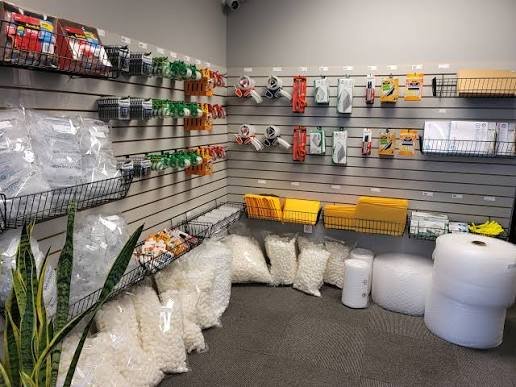
A packaging material shop is one of the most practical businesses near a wholesale market. Traders regularly need cartons, plastic crates, tape, rope, labels, sacks, stretch film and protective wrapping.
The product range should match the market. A fruit and vegetable mandi may require ventilated crates, net bags and moisture-resistant packaging. A garment market may need boxes, carry bags and garment covers. Electronics traders may prefer bubble wrap, foam sheets and strong cartons.
Selling products individually and in bulk can attract both small retailers and large wholesalers. Same-day delivery within the market can become a major advantage, especially when traders suddenly run out of supplies.
The shop should stock different sizes and quality levels. Offering custom-printed labels, branded tape and business packaging can create additional income.
2. Local Goods Transport and Delivery Service
Goods purchased from a wholesale market must be transported to shops, warehouses, offices or customer locations. A local delivery service can meet this continuous requirement.
The business may operate handcarts, cargo three-wheelers, mini trucks or larger commercial vehicles, depending on the products and distance involved. Customers can book vehicles through phone or WhatsApp.
Clear pricing based on distance, vehicle type, waiting time and labour requirements can reduce disputes. Regular traders may be offered weekly or monthly billing.
Vehicles should have valid commercial documents, insurance and trained drivers. Transporters must also understand applicable invoice and e-way bill requirements. Delivery confirmation through photographs or digital signatures can help customers track consignments and settle claims.
3. Affordable Canteen and Tea Centre
Wholesale markets often become active for long hours. Traders, drivers and loading workers need quick and affordable meals without travelling far from their work.
A canteen can serve tea, breakfast, rice, dal, roti, vegetables and local dishes. A limited menu allows faster service and reduces food waste. Packed meals can be delivered directly to shops or warehouses.
Monthly meal plans may appeal to shop employees and transport workers. The canteen can also accept bulk tea and snack orders for trader meetings or busy market days.
Clean drinking water, hygienic preparation and visible prices are essential. The business must obtain the required food registration or licence. Seating should be arranged without blocking loading lanes or creating congestion.
4. Warehousing and Short-Term Storage Service
Wholesalers may need temporary storage when a consignment arrives before shop space becomes available. A secure warehouse near the market can provide daily, weekly or monthly storage.
The facility may offer receiving, counting, stacking, order picking and dispatch support. Separate sections can be created for different clients so that goods do not become mixed.
A dry warehouse may suit garments, household products and packaged goods. Perishable products may require temperature-controlled storage, which involves higher investment and stricter maintenance.
The building should have fire-safety equipment, pest control, ventilation, security cameras and proper insurance. Stock movement must be recorded accurately. The owner should check whether warehouse registration, commodity-specific rules or additional food-storage permissions apply to the proposed operation.
5. Billing, Accounting and Digital Business Centre
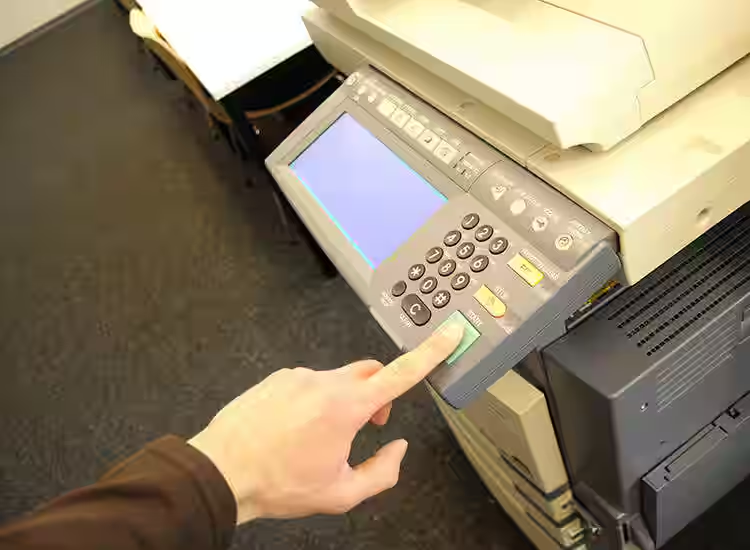
Small traders often need help with invoices, e-way bills, GST-related documents, spreadsheets, photocopies and courier bookings. A digital business centre can provide these services close to the market.
The centre may offer printing, scanning, document typing, invoice preparation, label printing and basic inventory setup. It can also help traders organise authorised data for their accountants.
Monthly service packages may include a fixed number of invoices, printouts and document deliveries. However, tax returns and professional accounting advice should be handled only by appropriately qualified people.
Business records are confidential. Customer files, GST details and transaction information must be protected and deleted when no longer needed. Staff should never use a client’s login credentials without proper authorisation.
How to Select the Right Business
Before investing, observe how goods and people move through the wholesale market. Focus on these important points:
- Identify the main product category traded in the market.
- Notice which services traders frequently search for outside the area.
- Check peak trading, loading and delivery hours.
- Select premises with easy access without blocking market traffic.
- Speak with wholesalers about bulk orders and monthly contracts.
- Confirm commercial vehicle, food, warehouse or municipal permissions.
- Calculate seasonal changes in demand before hiring permanent staff.
- Maintain transparent pricing for labour, transport and storage.
- Begin with one dependable service and expand after building regular clients.
Conclusion
A wholesale market offers business opportunities because every consignment requires packaging, transport, storage, documentation and support for the people handling it. Packaging stores, delivery services, canteens, warehouses and digital centres can all earn repeat customers when they help traders save time and prevent losses. Success depends less on walk-in visibility and more on commercial relationships. A business that delivers on schedule, protects goods and provides accurate billing can become a trusted part of the market’s daily supply chain.