Top 5 Business Ideas Near IT Park
Laptop lids close as the lunch break begins. Within minutes, office gates release streams of employees searching for meals, coffee, phone chargers and quick personal services. Delivery riders scan building numbers, company cabs line up along the road, and a nervous candidate checks the location of an interview. When most commercial areas begin slowing down at night, some IT offices are preparing for another shift.
An IT park brings together thousands of employees, technology companies, visitors and service providers. Businesses near it can benefit from regular weekday demand and customers with limited free time. The best ideas are those that save time, provide consistent quality and remain available beyond normal working hours. Let’s check out the top five business ideas near an IT park.
1. Quick-Service Café and Meal Subscription
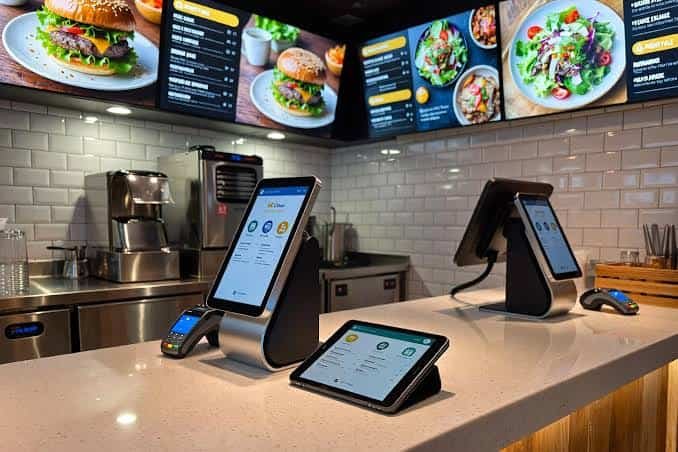
A food outlet is one of the most promising businesses near an IT park. Employees may eat outside when office cafeterias are crowded, expensive or limited in variety. Night-shift workers may have even fewer options.
The outlet can offer breakfast combos, rice meals, rotis, sandwiches, salads, rolls, tea and coffee. Instead of preparing a very large menu, concentrate on items that can be served quickly and packed easily.
Weekly and monthly meal subscriptions can create regular income. Different packages may be designed for breakfast, lunch, dinner or late-night meals. Corporate catering for meetings, training programmes and office celebrations can provide additional orders.
Online ordering and scheduled office delivery can help the business serve multiple buildings without requiring a large dining area. Proper food registration, kitchen hygiene and consistent portion sizes are essential for building long-term demand.
2. PG and Co-Living Accommodation
Many IT professionals relocate from other cities and search for accommodation close to their workplace. A well-managed paying guest or co-living business near an IT park can therefore attract steady demand.
The property may offer single rooms, shared rooms or furnished studio units. Important facilities include reliable internet, power backup, housekeeping, laundry arrangements, security and clean drinking water. A common kitchen or meal plan can further improve its appeal.
Short-term accommodation may be useful for trainees, project employees, consultants and candidates attending interviews. Clearly written rules regarding rent, deposits, visitors, meals and notice periods can prevent disputes.
This business requires higher investment and careful property management. Local rental rules, safety requirements and tenant verification must be followed. A comfortable property within a short commute can command better occupancy than a cheaper property located far away.
3. Corporate Transport and Shuttle Service
Daily commuting is a major concern for IT employees, especially when offices are located far from railway stations, metro stations or residential areas. A corporate shuttle service can connect the IT park with important transport points and neighbourhoods.
The business can operate fixed-route vans during morning and evening hours. It may also provide scheduled cabs for night-shift employees, airport transfers and outstation business travel.
Companies may hire the service through monthly contracts, while individual employees can purchase weekly or monthly passes. GPS tracking, verified drivers and a customer-support number can improve safety and reliability.
Vehicles must have appropriate commercial permits, insurance and safety equipment. Routes should be planned only after studying where employees live and which public transport connections are weak. Punctuality is particularly important because delays may affect office attendance.
4. Mobile, Laptop and Accessories Centre
Phones and laptops are essential tools for people working in an IT park. A damaged charging cable, faulty keyboard or overheating laptop can interrupt an employee’s entire working day.
A nearby technology service centre can sell chargers, earphones, power banks, laptop stands, keyboards, mice, cables and storage devices. It may also provide screen-guard installation, laptop cleaning, software support and basic repairs.
Pickup and delivery from office receptions can save customers time. The shop can also offer annual maintenance services to small companies that do not have a dedicated IT-support team.
Customer data must be handled carefully. Devices should be accepted with proper receipts, and repair charges must be explained before work begins. Genuine components, skilled technicians and quick turnaround can help the shop earn repeat business.
5. Daycare and After-School Centre
Working parents employed in an IT park may need dependable childcare close to their offices. A professionally managed daycare centre can allow them to drop off and collect their children without travelling to a distant location.
Services may include supervised play, meals, rest areas, storytelling, homework support and age-appropriate activities. Extended hours can help parents working late or managing international time zones.
Safety must be the first priority. The centre should have trained caregivers, CCTV coverage, child-safe furniture, secure entry, clean washrooms and emergency procedures. Parents should receive regular updates about meals, sleep and activities.
Holiday camps and weekend classes in art, music or basic coding can generate additional income. The centre must comply with applicable childcare, fire-safety and staff-verification requirements.
How to Select the Right Business
Before investing near an IT park, examine these important points:
- Employee profile: Find out whether the park mainly houses large companies, start-ups, call centres or back-office operations.
- Working hours: Businesses near 24-hour offices may need early-morning, evening and late-night service.
- Weekday demand: IT parks can become quiet on weekends, so calculate revenue based mainly on working days.
- Hybrid work patterns: Check actual office attendance instead of depending only on the number of registered employees.
- Existing facilities: Study the cafeterias, transport, childcare and retail services already available inside the park.
- Office access rules: Confirm whether deliveries, pickups and service workers can enter company buildings.
- Rent and visibility: Select a location that employees can easily reach during a short break without paying unnecessarily high rent.
Conclusion
An IT park can create valuable opportunities for food outlets, accommodation providers, transport operators, technology service centres and childcare businesses. However, success depends on understanding employee schedules, office attendance and existing facilities. Quick service, digital payments and dependable delivery are especially important in this market. Start with a focused offering, build relationships with nearby companies and maintain consistent quality. A business that saves employees time can develop into a stable and profitable venture.