Is Wildlife Photography Business Legal in India?
Yes, a wildlife photography business is legal in India, provided the photographer follows forest-entry rules, obtains the required permits and does not disturb animals or damage their habitat.
A tiger stepping out of tall grass, an elephant herd crossing a forest track or a kingfisher diving into a quiet lake can produce photographs with considerable commercial value. Wildlife photographers may earn through magazines, documentaries, tourism campaigns, stock-photo platforms, exhibitions and print sales. However, the search for a rare photograph cannot override wildlife-protection laws. In India, the legality of the business depends not only on the image being sold but also on where and how it was captured.
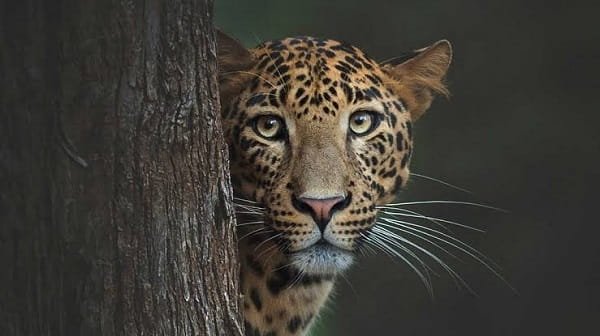
Legal Status of Wildlife Photography
There is no central law prohibiting a person from working as a professional wildlife photographer. Photographers can legally take assignments, sell original images, license photographs to publishers and conduct photography workshops.
The principal legislation governing activities involving wild animals and protected habitats is the Wild Life (Protection) Act, 1972. The law regulates entry into wildlife sanctuaries and national parks while prohibiting hunting, habitat destruction and harmful interference with wild animals.
A photographer working on private land or in an unrestricted public location may not need a wildlife permit. Permission from the landowner or controlling authority may still be necessary.
Photography Permits for Protected Areas
A photographer cannot freely enter a wildlife sanctuary or national park merely because photography is legal. Under Sections 27 and 28 of the Wild Life (Protection) Act, 1972, entry is generally subject to a permit issued by the Chief Wildlife Warden or an authorised officer.
Photography and filmmaking are recognised purposes for which entry may be allowed, provided the activity does not change or adversely affect wildlife habitat.
A regular tourist or safari permit may be sufficient for ordinary photography. The photographer must remain on approved routes, follow entry timings and obey the instructions of forest officials.
Commercial Shoots and Documentary Projects
A tourist permit may not cover an organised commercial shoot involving a crew, models, multiple vehicles, large equipment or extended filming. Such projects generally require separate written permission from the state forest department, park director or Chief Wildlife Warden.
The authority may ask for:
- A detailed shooting proposal and schedule
- Names and identity documents of crew members
- List of cameras, lights and other equipment
- Intended purpose and platform of publication
- Applicable filming or commercial photography fee
- Security deposit or undertaking
- Proof of insurance, where required
Fees and approval procedures differ between states and protected areas. Tiger reserves may also follow tourism and filming conditions issued by the National Tiger Conservation Authority.
Can Drones Be Used for Wildlife Photography?
Drone photography requires much greater caution. A forest-entry permit does not automatically authorise a photographer to fly a drone.
The operator must follow the Drone Rules, 2021, check the official Digital Sky airspace map and satisfy registration or pilot requirements applicable to the drone category. Flying in a red zone requires permission from the Central Government, while yellow zones are subject to air-traffic restrictions.
Written permission from the forest or wildlife authority should also be obtained before operating a drone inside or over a protected area. Drone noise can disturb nesting birds, breeding animals and sensitive species. Flying without approval may lead to seizure of equipment, penalties or cancellation of the photography permit.
Activities Wildlife Photographers Must Avoid
A professional photographer should never create a photograph by placing wildlife under stress. Section 27 of the Wildlife Protection Act prohibits teasing or molesting wild animals inside a sanctuary.
Illegal or restricted conduct may include:
- Chasing an animal for a closer photograph
- Leaving the authorised road or safari track
- Touching, trapping or handling wild animals
- Damaging nests, eggs, vegetation or habitat
- Feeding or baiting animals to attract them
- Using excessive flash, artificial calls or loud sounds
- Entering a restricted zone without permission
- Lighting fires or leaving waste inside the forest
A photographer must also not remove feathers, antlers, eggs, bones, plants or other wildlife articles as souvenirs.
Business Registration and Tax Requirements
Wildlife photography can be operated as a sole proprietorship, partnership, LLP or company. Depending on its scale, the business may require PAN, a current bank account, Shops and Establishments registration and GST registration.
Income earned from assignments, image licences, workshops and print sales must be reported in the applicable income-tax return. Invoices, travel expenses, equipment purchases and licence agreements should be properly recorded.
Copyright Ownership of Wildlife Photographs
Wildlife photographs are treated as artistic works under the Copyright Act, 1957. When a photographer independently captures an original image, the photographer is normally its first copyright owner.
However, a photograph taken for payment at a client’s request may belong to the client unless the contract says otherwise. Every commercial assignment should therefore specify image ownership, publication rights, territory, duration and whether the photographer may resell the photographs.
Frequently Asked Questions
Q: Can wildlife photographs be sold online?
A: Yes. Photographers may sell prints or license images through websites and stock-photo platforms, provided the photographs were captured lawfully and the photographer owns the required rights.
Q: Is flash photography completely banned in national parks?
A: There is no single nationwide rule banning every use of flash, but individual parks may restrict it. Flash should never be used when it can disturb animals or violate permit conditions.
Q: Can a photographer conduct paid workshops inside a tiger reserve?
A: The photography may be covered by an entry permit, but conducting a paid organised workshop could require separate permission from the reserve authority.
Q: Can forest officials inspect photography equipment?
A: Yes. Entry into a protected area is subject to permit conditions. Forest officials may inspect equipment and stop the use of prohibited items, including unauthorised drones.