Top 5 Business Ideas Near a Stadium
The scoreboard flashes, the crowd erupts, and thousands of spectators rise together. Minutes later, the stadium gates open and a river of colourful jerseys flows into the surrounding streets. Some fans search for food, others want a team T-shirt, and parents look for a safe way to reach the parking area. The excitement may last only a few hours, but the commercial opportunities can stretch far beyond the final whistle.
Stadiums may host cricket, football, athletics, concerts, exhibitions and public events. However, demand can be highly irregular. A strong business should earn during major events while also serving athletes, residents and regular visitors on quieter days.
Let’s check out the top five business ideas near a stadium.
1. Sports Merchandise and Custom Jersey Shop

A sports merchandise shop can attract fans who want to display support for their favourite team or player. Products may include jerseys, caps, scarves, flags, wristbands, badges and face stickers.
Custom printing can create another source of income. Customers may add their name, preferred number or local team logo to T-shirts and jerseys. Schools, academies and amateur clubs can place bulk orders for uniforms.
The shop should stock affordable and premium products for different customer groups. Portable counters may be used on event days only after obtaining permission from the venue or local authority.
Team names, tournament symbols and official logos may be protected intellectual property. The business should sell licensed products or use original designs instead of producing unauthorised copies.
2. Quick-Service Food and Beverage Outlet
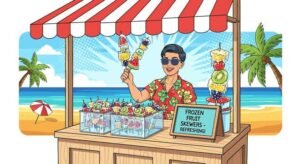
Fans often arrive early and leave the stadium hungry, creating strong demand for quick food. A nearby outlet can sell tea, coffee, sandwiches, rolls, poha, idli, rice bowls and packaged refreshments.
Service speed matters because large crowds may appear within a short period. A limited event-day menu can reduce waiting time and simplify preparation. Separate order and collection counters may help manage queues.
On ordinary days, the outlet can serve athletes, coaching groups, stadium employees and nearby residents. Healthy options such as fruit bowls, eggs and light meals can attract people visiting the area for exercise.
The business requires suitable food registration or licensing and strict hygiene. Temporary stalls must also follow applicable food and local-event rules. Staff should never block pedestrian movement or emergency routes.
3. Sports Equipment, Rental and Repair Store
A stadium area may receive regular visits from athletes, coaches, sports academies and school teams. A sports equipment store can therefore earn even when no major match is scheduled.
The shop may sell cricket bats, balls, footballs, badminton rackets, shoes, gloves, protective equipment and training accessories. Rental services can make equipment more affordable for casual players or visiting teams.
Repair services may include racket stringing, bat grip replacement, ball inflation and minor equipment maintenance. The store can also supply cones, bibs, nets and markers to local academies.
Before stocking products, identify the sports regularly played at the stadium. A shop beside a cricket ground will need a different inventory from one near an athletics or multi-sport complex.
4. Fitness and Sports Coaching Centre
A coaching and fitness centre near a stadium can benefit from the area’s sporting identity. It may offer strength training, running programmes, yoga, general fitness or coaching for specific games.
Children’s batches, adult fitness sessions and holiday sports camps can create multiple income streams. The centre may also work with schools and amateur clubs.
Access to the stadium cannot be assumed. If sessions require stadium grounds or facilities, written permission and booking arrangements must be obtained. Otherwise, the business should operate from its own suitable space.
Qualified coaches, first-aid readiness and age-appropriate training are essential. The centre should avoid unsupported claims about guaranteed selection, rapid weight loss or professional sporting success.
5. Event Parking and Shuttle Service
Parking becomes a major challenge when thousands of people arrive within a short period. A properly managed parking and shuttle service can help spectators reach the stadium without creating additional congestion.
The business may operate a secure parking area at an approved location and provide shuttle vans to designated drop-off points. Advance parking reservations can help customers plan their visit.
Parking bays, entry routes and exit routes should be marked clearly. CCTV, lighting, security staff and numbered tickets can protect vehicles. Prices must be displayed before entry.
The operator must obtain landowner, traffic police, municipal and venue permissions where required. Vehicles should never be parked on emergency routes, footpaths or unauthorised public land. Shuttle drivers and vehicles must hold valid commercial documents.
How to Select the Right Business
Study the stadium schedule and surrounding neighbourhood before investing. Pay attention to these important points:
- Check how many major events the stadium hosts each year.
- Identify whether it mainly serves cricket, football, athletics or concerts.
- Find out which vendors already hold exclusive stadium contracts.
- Confirm where commercial stalls and signs are legally permitted.
- Build income sources for non-event days.
- Study crowd entry and exit routes without obstructing them.
- Plan extra staff and inventory for major fixtures.
- Use digital payments and fast billing to handle sudden crowds.
- Follow food, trademark, parking and temporary-vending rules.
- Avoid storing too much event-specific merchandise that may remain unsold.
Conclusion
A stadium can create high sales during matches and concerts, but event-day crowds alone do not guarantee a sustainable business. Merchandise stores, food outlets, sports shops, coaching centres and parking services can all succeed when they combine major-event income with regular customers. Safety, official permissions and crowd management must remain central to the plan. A business that serves fans quickly during busy events and continues attracting athletes or local residents afterward will have the strongest long-term potential.