Top 5 Business Ideas Near Hill Station
Mist moves slowly across the winding road as a taxi climbs towards the town. Travellers lower the windows to feel the cool air, roadside cafés begin filling with families, and photographers pause wherever the valley suddenly appears between the trees. By evening, warm lights glow from homestays while visitors search for local food, woollen clothes and plans for the next day.
Hill stations attract families, couples, student groups, adventure travellers and weekend tourists. This creates opportunities in accommodation, food, transport and local experiences. However, tourist demand can change sharply with the weather and season. Let’s check out the top five business ideas near a hill station.
1. Homestay or Boutique Guesthouse
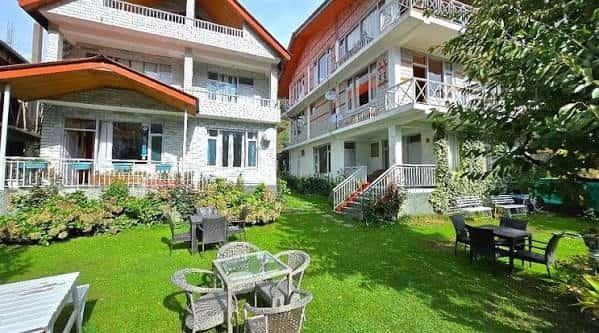
Accommodation is one of the strongest business opportunities near a hill station. Many tourists prefer a clean homestay with local character over an ordinary hotel room.
A property with attractive views, safe access and comfortable rooms can be converted into a homestay or small guesthouse. Essential facilities should include clean bedding, hot water, reliable internet, power backup and secure parking.
Home-cooked breakfast and dinner can provide additional income. Guests may also pay for local sightseeing, pickup services, bonfires or guided village walks where these activities are permitted.
Good photographs and accurate room descriptions can improve online bookings. Owners should never hide difficult road access, steep stairs or limited parking. The property must follow local accommodation registration, guest-verification, fire-safety and waste-disposal requirements.
2. Local Food Café and Bakery
Tourists often want a comfortable place where they can enjoy hot food while viewing the hills. A café serving local dishes, tea and freshly prepared snacks can attract both visitors and residents.
The menu may include regional meals, breakfast dishes, soups, momos, sandwiches, bakery products, tea and coffee. Seasonal specialities can help the café develop its own identity.
A small viewing deck or window seating can make the outlet more appealing, but safety should never be compromised for a photograph. During crowded weekends, fast service and takeaway packaging can increase sales.
The café must maintain kitchen hygiene and obtain the required food registration or licence. Local ingredients and traditional recipes can differentiate it from outlets selling the same common fast food found in every tourist destination.
3. Guided Tours and Trekking Service
Many visitors want to explore viewpoints, waterfalls, forests and village trails but do not know the safest routes. A guided-tour business can organise these experiences through trained local guides.
Services may include nature walks, short treks, birdwatching tours, sunrise trips, village visits and local sightseeing. Packages can be created for families, beginners and experienced trekkers.
Guides should understand the route, weather, first aid and emergency procedures. Group size must remain manageable. Customers should receive clear information about distance, difficulty, required clothing and what is included in the fee.
No tour should enter restricted forests or unsafe routes without permission. Adventure activities such as rock climbing, rafting or paragliding require specialised operators, trained staff and appropriate safety arrangements.
4. Winter Wear and Adventure Gear Rental
Tourists sometimes arrive without suitable jackets, umbrellas, walking shoes or trekking equipment. A rental shop can help them avoid purchasing expensive items for a short visit.
Products may include raincoats, umbrellas, jackets, gumboots, trekking poles, backpacks and camping equipment. Gloves, woollen caps and socks may be sold instead of rented for hygiene reasons.
Charges can be calculated daily, with a refundable security deposit. Every item should be checked before rental and cleaned properly after return. Customers should receive a receipt listing the item, condition and return date.
The shop can also sell basic travel products such as torches, water bottles, sunscreen and first-aid kits. Demand will depend heavily on the season, so inventory should be planned according to weather and local activities.
5. Local Taxi and Sightseeing Transport
Public transport may not reach every viewpoint, village or hotel in a hill station. A local taxi service can provide airport, railway-station and sightseeing transfers.
The business may operate its own vehicles or coordinate a network of verified local drivers. Half-day and full-day packages can cover popular attractions, while customised trips can serve families and senior citizens.
Drivers should understand hill-road safety and avoid speeding or overloading. Vehicles must have valid commercial permits, insurance and regular maintenance. Prices, waiting charges and route details should be explained before the trip begins.
Online booking and hotel partnerships can generate advance reservations. During the off-season, the service may also handle local travel, school transport or business trips to maintain income.
How to Select the Right Business
Before investing near a hill station, consider these important points:
- Tourist season: Find out which months receive the highest and lowest number of visitors.
- Visitor profile: Study whether the destination mainly attracts families, honeymoon couples, trekkers or religious tourists.
- Weather risks: Heavy rain, snowfall or landslides may interrupt travel and business operations.
- Accessibility: Check road conditions, parking and the distance from the main tourist area.
- Local demand: Choose a business that can also serve residents during the off-season.
- Environmental rules: Confirm restrictions related to construction, forest access, waste disposal, plastic use and commercial activity.
- Online visibility: Accommodation, transport and experience-based businesses need clear photographs, accurate information and quick responses.
- Seasonal cash flow: Keep enough working capital for months when tourist arrivals are low.
Conclusion
A hill station can support profitable businesses in accommodation, food, guided experiences, equipment rental and local transport. The best opportunity depends on the destination’s visitors, weather and tourist season. Quality service and honest information are especially important because online reviews strongly influence travel decisions. By respecting local culture, maintaining cleanliness and planning for the off-season, a tourism business near a hill station can earn steadily while also creating employment for local residents.