Top 5 Business Ideas Near Temple
Temple bells ring as a stream of devotees moves towards the entrance. Flower sellers arrange marigold garlands, families remove their footwear, and an elderly pilgrim pauses to ask where luggage can be kept safely. Nearby, the smell of incense mixes with freshly prepared food while visitors search for offerings and small gifts to carry home.
A temple attracts regular local devotees as well as pilgrims arriving from distant places. Demand may increase sharply during festivals, weekends and special religious occasions. Businesses near a temple should provide useful services while respecting the sanctity, customs and cleanliness of the area. Let’s check out the top five business ideas near a temple.
1. Puja Items and Flower Shop
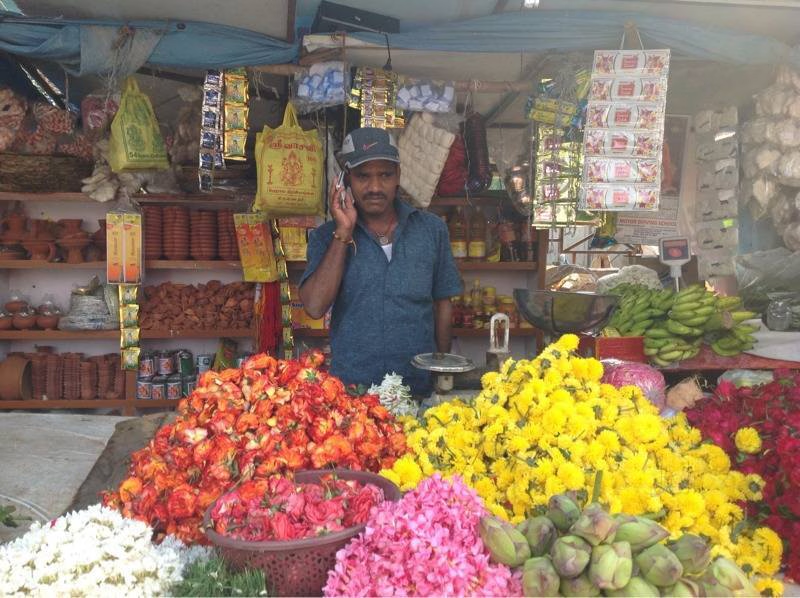
A puja-items shop is one of the most natural business ideas near a temple. Devotees frequently purchase flowers, garlands, coconuts, incense sticks, lamps and other materials before entering.
The shop can prepare puja baskets containing commonly required items at different prices. Clearly labelled packages help customers choose quickly without worrying about missing something.
Products should match the traditions of the particular temple. Items used at one place of worship may not be required at another. Speak with local priests, devotees and temple authorities before deciding what to stock.
Fresh flowers and biodegradable packaging can make the business more environmentally responsible. Prices should be displayed clearly, especially during festivals. The shop must not claim that an item is compulsory or officially approved by the temple unless that is genuinely true.
2. Pure Vegetarian Food and Refreshment Outlet
Pilgrims often need breakfast, tea or a simple meal after completing darshan. A clean vegetarian restaurant near the temple can serve local families, tourists and temple workers.
The menu may include regional breakfast dishes, rice meals, roti, dal, vegetables, sweets, tea and drinking water. Food should be fresh, mildly prepared and reasonably priced.
Special meal packages can be offered during festivals and pilgrimage seasons. The outlet may also prepare packed meals for senior citizens and large groups arriving by bus.
If the shop sells food described as temple prasadam, it must have proper authorisation. Ordinary sweets or meals should not be presented as official temple offerings. The business must maintain hygiene, safe drinking water and the required food registration or licence.
3. Footwear, Locker and Luggage Storage Centre
Many temples do not allow footwear, large bags or certain personal items inside. A secure storage centre near the entrance can provide an important service to devotees.
The business can offer separate numbered spaces for footwear, helmets, bags and small pieces of luggage. Charges should be displayed clearly before customers deposit their belongings.
Every customer should receive a token or digital receipt. CCTV cameras, trained staff and organised shelves can reduce the risk of loss. Valuable jewellery, cash and prohibited items should not be accepted.
The centre must operate only from an authorised location and should not block the temple entrance. During festivals, temporary staff and additional storage racks may be needed to handle larger crowds safely.
4. Religious Books and Souvenir Store
Pilgrims often purchase books, pictures and religious gifts as memories of their visit. A well-organised store can provide genuine products connected with the temple and its traditions.
The shop may sell prayer books, calendars, devotional music, deity pictures, small idols, keychains, framed artwork and locally made handicrafts. Products in different regional languages can serve pilgrims arriving from other states.
Large or fragile items can be packed safely and couriered to the customer’s home. Visible prices and proper bills can improve trust.
The store should avoid selling unauthorised copies of protected artwork or ordinary factory-made goods as local handicrafts. Information printed on books or souvenirs should also be respectful and factually correct.
5. Budget Guesthouse and Pilgrim Assistance Service
Pilgrims travelling from distant places may need affordable accommodation near the temple. A clean guesthouse or dormitory can serve families, groups and senior citizens.
The property may offer private rooms, family rooms and shared dormitory beds. Important facilities include clean washrooms, drinking water, secure luggage storage, hot water and a 24-hour reception during busy seasons.
The business can also coordinate verified taxis, railway-station pickups and local sightseeing. Group bookings from pilgrimage organisers may provide regular demand.
All room prices, check-in rules and additional charges should be explained clearly. The property must follow local accommodation registration, guest-verification, fire-safety and commercial-use requirements. Staff should never pressure guests into purchasing rituals or services.
How to Select the Right Business
Before investing near a temple, consider these important points:
- Type of temple: Local neighbourhood temples and major pilgrimage centres generate very different levels of demand.
- Visitor profile: Observe whether most devotees are local residents, tourists, senior citizens or organised groups.
- Festival calendar: Identify the days and months when footfall rises sharply.
- Temple customs: Understand which offerings, dress rules and visitor facilities are relevant to that particular temple.
- Existing facilities: Check whether the temple already provides free footwear storage, meals, accommodation or puja materials.
- Crowd management: Ensure that the shop, queue or delivery activity does not block entrances and pedestrian movement.
- Cleanliness: Avoid plastic waste and arrange proper disposal of flowers, food and packaging.
- Permissions: Confirm vending, signage, commercial-use and temple-authority requirements before starting.
Conclusion
A temple area can support useful businesses connected with offerings, food, storage, religious products and accommodation. The best idea will depend on the temple’s customs, visitor numbers and festival schedule. Fair pricing, cleanliness and respectful behaviour are essential because devotees should never feel pressured or misled. With proper permissions and dependable service, a business near a temple can earn steadily while making the pilgrimage experience more comfortable for visitors.