Top 5 Business Ideas Near Police Station
A wireless set crackles as a patrol vehicle enters the compound. A constable finishing the night shift searches for hot tea, while a worried family outside needs photocopies of several documents. At the same time, a motorist with a punctured tyre looks around for immediate assistance.
A police station operates differently from a normal office. Officers may work around the clock, but public footfall can be irregular. Therefore, a nearby business should serve police personnel, visitors and the surrounding neighbourhood. It must also respect security, privacy and emergency access.
Let’s check out the top five business ideas near a police station.
1. Tea, Snacks and Affordable Meal Outlet
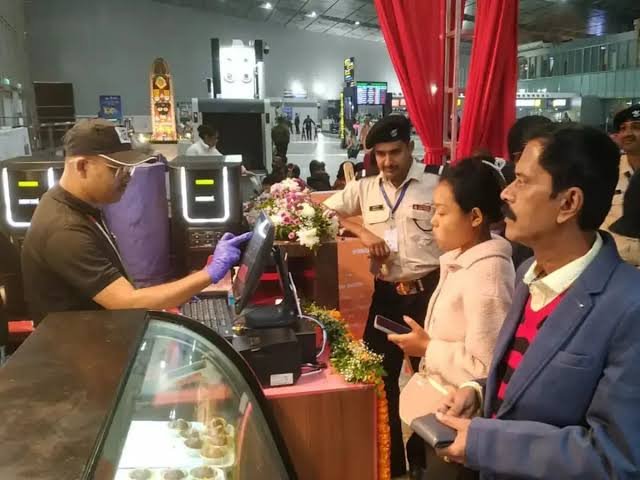
Police personnel often work long or unpredictable shifts. A clean food outlet serving quick meals can receive regular orders from officers, drivers, lawyers, visitors and nearby residents.
You can offer:
- Tea and coffee
- Poha, upma or idli
- Samosa and local snacks
- Egg dishes
- Rice and dal meals
- Roti and vegetable curry
- Packaged drinking water
- Late-evening meal boxes
Focus on fresh food, quick service and reasonable prices. A monthly tea or meal plan may be useful for regular customers. You can also provide packed food without requiring officers to leave their duty for long periods.
If you plan to remain open late at night, first check local trade and operating-hour rules. Obtain the required food registration or licence and maintain proper hygiene. Your stall must not create smoke, noise, crowding or litter near the station entrance.
2. Photocopy, Printing and Digital Documentation Centre
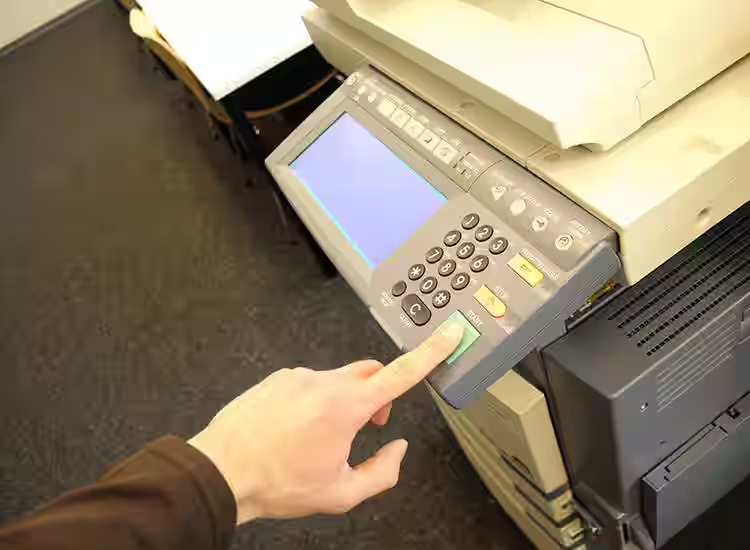
People visiting a police station may need copies of identity documents, vehicle papers, written complaints, photographs or supporting records. Police personnel may also require general printing, scanning or stationery services.
Possible services include:
- Black-and-white and colour photocopying
- Document printing and scanning
- Passport-size photography
- Lamination and binding
- Email printing
- Typing assistance
- Pen-drive data transfer
- Basic online form filling
Keep prices visible and provide fast service. More importantly, protect customer privacy. Never retain copies of identity cards, complaints, photographs or other sensitive records without permission. Delete scanned documents after completing the work.
Do not offer to prepare false statements or change information in any document. Your role should be limited to typing, copying and technical assistance.
3. Stationery and Office Essentials Shop
A compact stationery shop can serve police employees, lawyers, nearby offices and members of the public. The business requires limited space and can be combined with printing services.
Useful products include:
- Pens and writing pads
- Envelopes and file covers
- A4 paper and registers
- Staplers and paper clips
- Markers and adhesive tape
- Folders and document bags
- Batteries and mobile chargers
- Raincoats, umbrellas and water bottles
Avoid selling police uniforms, badges, insignia or restricted equipment without proper authorisation. Such items may be regulated or misused.
Concentrate on everyday products that are also required by nearby households and businesses. Depending only on police-station visitors may not generate enough sales, so a location facing a public road or market is preferable.
4. Licensed Pharmacy and Personal-Essentials Store
Police officers working long shifts and people living nearby may need basic healthcare and personal-care products. A properly licensed pharmacy can serve this wider customer group.
Along with permitted medicines, you may stock:
- First-aid materials
- Bandages and antiseptic products
- Masks and hand sanitiser
- Personal-hygiene products
- Oral rehydration products
- Mosquito repellent
- Basic health-monitoring devices
- Packaged water
A pharmacy requires the appropriate retail drug licence and qualified personnel as prescribed by law. Prescription medicines must not be sold without a valid prescription where one is required.
The shop should never be presented as a replacement for emergency medical treatment. Anyone who is seriously injured or unwell should be directed to an appropriate medical facility.
A pharmacy becomes more viable if the police station is located near residential colonies, courts, transport points or government offices.
5. Puncture Repair, Battery and Vehicle-Assistance Service
Police stations frequently receive motorists, and police vehicles operate at all hours. A vehicle-assistance shop can work well near a traffic police station, highway police post or busy urban road.
Possible services include:
- Tyre puncture repair
- Air filling
- Battery jump-starting
- Minor mechanical repair
- Emergency fuel delivery where legally permitted
- Two-wheeler towing
- Car towing through authorised operators
Provide a clearly displayed rate card to prevent disputes. Use trained workers and proper safety equipment. Towing services should follow applicable transport and local police rules.
Never touch, repair, move or tow a seized or impounded vehicle without written authorisation from the lawful custodian. Avoid presenting your business as an “official police partner” unless a genuine written agreement exists.
A phone-based roadside assistance service can expand your customer base beyond the immediate police-station area.
How to Select the Right Business
Before investing, study the location carefully:
- Identify whether it is a local, traffic, women’s or highway police station.
- Observe public movement at different times of the day.
- Check the number of homes, offices and shops nearby.
- Select a business that can also serve the local neighbourhood.
- Do not block the station gate or emergency vehicle route.
- Confirm whether late-night operations are permitted.
- Maintain adequate lighting without pointing cameras towards secure areas.
- Protect the privacy of officers, complainants and visitors.
- Never photograph or record police activity for promotion.
- Avoid using police logos, colours or official-looking signboards.
- Never promise faster complaints, vehicle release or police assistance.
- Maintain transparent prices and issue receipts.
- Obtain all necessary trade and professional licences.
A food outlet or stationery-printing centre usually requires moderate investment. A pharmacy or towing service needs more licences, equipment and trained staff.
Conclusion
The best business near a police station should provide convenience without interfering with police work. A food outlet serves people working long shifts, a documentation centre handles urgent paperwork, a stationery shop provides daily essentials, a pharmacy serves the wider community, and a vehicle-assistance service helps motorists.
Success depends on more than footfall. The business must respect privacy, security and emergency access. Stay independent, charge fairly and never claim influence over police procedures. With ethical service and support from the surrounding neighbourhood, a business near a police station can build stable and trustworthy demand.