How Cryptocurrency Token Migration Works Between Blockchain Networks
Cryptocurrency projects sometimes move their tokens from one blockchain network to another. This process is commonly known as token migration or a token swap. It can happen when a project launches its own blockchain, changes its underlying technology, moves to a different network, or decides that another blockchain is better suited to its long-term goals.
Token migration may sound simple, but it can involve several technical and practical steps. Investors may need to move their tokens, connect a compatible wallet, follow a migration process or exchange their old tokens for new ones.
Understanding how cryptocurrency token migration works can help users avoid mistakes and recognize important risks.
What Is Cryptocurrency Token Migration?
Cryptocurrency token migration is the process of moving a token from one blockchain network to another.
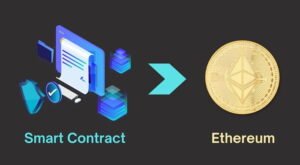
For example, suppose a project originally issues its token on Ethereum. Later, the project launches its own blockchain and decides to move the token from Ethereum to its new network.
The original token may be replaced by a new version operating on the project’s blockchain.
The migration can involve:
- Burning old tokens
- Locking old tokens
- Minting new tokens
- Swapping old tokens for new ones
- Using a migration smart contract
- Moving assets through a bridge
The exact process depends on the project.
Why Do Projects Migrate Tokens?
There are several reasons for token migration.
Launching a Native Blockchain
A project may initially use another blockchain while developing its own network.
Once its blockchain launches, it may migrate the token to become the network’s native asset.
Lower Transaction Costs
A project may move to a blockchain where transactions are faster or cheaper.
Lower fees can make the token more practical for users and applications.
Better Scalability
Some projects migrate because they require greater transaction capacity.
A different blockchain may offer technology that better matches the project’s needs.
Technical Improvements
A migration can allow developers to use new consensus mechanisms, smart-contract systems or network features.
Ecosystem Strategy
Projects may move to networks with larger developer communities, better infrastructure or stronger decentralized finance ecosystems.
Token Migration vs Token Bridge
Token migration and token bridging are related but different concepts.
A bridge generally allows assets or representations of assets to move between blockchain networks while maintaining access to the asset across different ecosystems.
A token migration usually involves replacing an old token with a new version or moving the project’s token permanently to another network.
For example:
Migration:
Old token → New token
Bridge:
Asset on Blockchain A ↔ Representation or asset on Blockchain B
The actual technical design can vary, so investors should read the project’s official migration instructions.
How a Typical Token Migration Works
Although every migration is different, a simplified process can look like this.
Step 1: Project Announces the Migration
The project announces that the token will move from one blockchain to another.
The announcement may include:
- Migration date
- Exchange ratio
- Deadline
- Supported wallets
- Migration website
- Instructions
- Withdrawal or deposit changes
Users should verify all information through official project channels.
Step 2: Migration Period Begins
The project opens a migration process during a specified period.
Users may be required to connect their wallet and approve a transaction.
In some cases, exchanges handle the migration automatically for customers.
Step 3: Old Tokens Are Locked or Burned
Depending on the migration design, the old tokens may be sent to a smart contract that locks them or to an address designed to make them permanently inaccessible.
This prevents the same tokens from being used on both networks.
Step 4: New Tokens Are Issued
New tokens are then created or released on the destination blockchain.
They may be distributed at a predetermined ratio.
For example, the project could use:
1 old token = 1 new token
Alternatively, a different conversion ratio may be used.
Step 5: New Tokens Become Usable
Once the migration is completed, users can potentially transfer, trade or use the new tokens on the destination blockchain.
Exchanges, wallets and DeFi applications may need to update their infrastructure to support the new asset.
What Is a Token Swap Ratio?
The swap ratio determines how many new tokens users receive for their old tokens.
Suppose a project announces:
10 old tokens = 1 new token
An investor holding 1,000 old tokens would receive:
1,000 ÷ 10 = 100 new tokens
A change in token quantity does not automatically mean a change in economic value.
The important consideration is the market value and the project’s overall tokenomics.
Does Token Migration Change the Value of Cryptocurrency?
Not necessarily.
Changing the blockchain does not automatically increase or decrease the fundamental value of a cryptocurrency.
However, the market can react to the migration.
Investors may become optimistic if the migration improves:
- Scalability
- Transaction speed
- Network utility
- Ecosystem development
- Developer adoption
On the other hand, uncertainty around the migration could create selling pressure.
The token’s market value ultimately depends on supply, demand, utility, adoption and broader market conditions.
What Happens to the Old Token?
The fate of the old token depends on the migration design.
It may be:
- Permanently burned
- Locked in a smart contract
- Removed from exchange support
- Converted into another asset
- Left active for a limited period
Users should not assume that the old token will remain valuable after migration.
If exchanges stop supporting it and liquidity disappears, selling the old token may become difficult.
What Happens on Cryptocurrency Exchanges?
Exchanges may manage migrations differently.
An exchange might:
- Automatically convert old tokens
- Temporarily suspend deposits and withdrawals
- Delist the old token
- Credit users with the new token
- Require users to withdraw or migrate tokens themselves
Therefore, users holding cryptocurrency on an exchange should read the platform’s migration announcement carefully.
A token migration handled automatically by an exchange may require no action from the customer.
What Happens in a Personal Wallet?
Self-custody users generally have greater control over their assets, but they may also need to take additional steps.
Depending on the migration, users might need to:
- Connect a compatible wallet.
- Visit the project’s official migration interface.
- Select the old token.
- Approve the migration transaction.
- Receive the new token.
- Add the new token’s contract address to the wallet if necessary.
The exact steps can vary considerably.
Users should never enter their wallet recovery phrase or private key into a migration website.
Token Migration and Smart Contracts
Smart contracts can automate many migration processes.
For example, a migration contract may receive old tokens and issue new tokens according to predefined rules.
This reduces the need for manual processing.
However, smart contracts can contain vulnerabilities.
Before interacting with a migration contract, users should verify that it is the official contract and understand the transaction being approved.
How Token Migration Can Affect Supply
Migration can also affect cryptocurrency token supply.
Suppose a project has 1 billion old tokens and replaces them with 1 billion new tokens.
The token count may remain broadly unchanged.
But a migration can also involve a different denomination.
For example:
1 old token → 100 new tokens
In this situation, the number of tokens increases, but each token may represent a smaller unit of the overall network.
Therefore, investors should look at the project’s total supply, circulating supply and conversion ratio rather than judging the project simply by the number of tokens in their wallet.
Risks During Token Migration
Token migrations can create several risks.
Scams
Fraudsters may create fake migration websites.
Phishing
Fake websites may attempt to steal wallet information.
Smart Contract Risks
A vulnerable migration contract could potentially expose users to losses.
Missed Deadlines
Some migrations may have deadlines or specific procedures.
Exchange Problems
Trading and withdrawals may be temporarily suspended.
Liquidity Problems
The old token may lose liquidity after the migration.
User Errors
Sending tokens to the wrong network or address can result in permanent loss.
How Investors Can Prepare for a Migration
Before participating in a token migration, investors should:
Verify the Announcement
Use the project’s official website and verified communication channels.
Understand the Conversion Ratio
Know exactly how many new tokens you will receive.
Check the Deadline
Some migration programs may have specific time limits.
Confirm Wallet Support
Make sure your wallet supports the destination blockchain.
Check Exchange Instructions
If your tokens are held on an exchange, follow its specific migration policy.
Avoid Sharing Private Keys
Never give a recovery phrase or private key to a website claiming to process a migration.
Final Thoughts
Cryptocurrency token migration is the process of moving or replacing a token from one blockchain network with a token operating on another blockchain. Projects may migrate tokens to improve scalability, reduce transaction costs, launch a native blockchain or adopt new technology.
The process can involve locking or burning old tokens and issuing new tokens according to a predefined conversion ratio. Exchanges may handle the process automatically, while self-custody users may need to complete the migration themselves.
Token migration can offer technological and ecosystem benefits, but it also creates risks. Investors should pay close attention to official instructions, deadlines, token conversion ratios, exchange policies and wallet compatibility.
Most importantly, users should be extremely cautious about scams. Never share your private key or recovery phrase to complete a token migration.
A successful migration can provide a cryptocurrency project with a stronger technical foundation, but the migration itself does not guarantee that the token’s price will increase. Investors should continue evaluating the project’s utility, adoption, tokenomics, development activity and long-term prospects after the migration.