Is Matrimonial Bureau Business Legal in India? Rules, Registration and Risks
Yes, a matrimonial bureau business is legal in India, provided it follows business, tax, consumer-protection, data-privacy and child-marriage laws.
A family walks into a matrimonial bureau carrying photographs and a handwritten biodata. In another city, a young professional creates a profile on a matchmaking application within minutes. Although the method has changed, the purpose remains the same: helping adults find suitable marriage partners. However, collecting membership fees and handling sensitive personal information also creates important legal responsibilities.
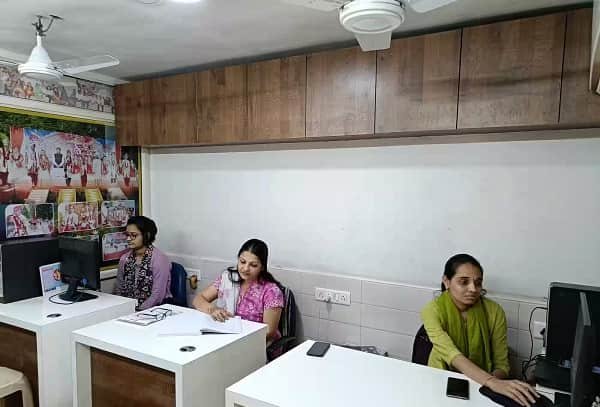
Legal Status of Matrimonial Bureau Business in India
India does not have a central law prohibiting matrimonial bureaus. An individual or company may legally introduce prospective marriage partners, maintain a profile database, organise matchmaking meetings or operate an online matrimonial platform.
There is also no nationwide licence created exclusively for marriage bureaus. A special educational qualification or matchmaking certificate is not compulsory.
However, a paid matrimonial bureau is a service provider. Its advertising, membership plans, refund conditions and service quality may therefore come under the Consumer Protection Act, 2019. Charging a fee does not mean the bureau must guarantee a marriage, but it must honestly provide the services described in its package.
Business Registration and Tax Requirements
A small marriage bureau may begin as a sole proprietorship. Larger online platforms may choose an LLP or private limited company structure.
Depending on its location and size, the business may require:
- PAN and a current bank account
- Registration under the applicable Shops and Establishments law
- Municipal trade licence, where required
- Proper membership receipts and invoices
- Written terms, privacy policy and refund conditions
- Income-tax return filing
- GST registration after crossing the applicable turnover limit
- Employee-related registrations when the required thresholds are reached
Matrimonial and matchmaking activities are normally treated as services. GST registration is generally required when aggregate annual turnover exceeds ₹20 lakh. The threshold is ₹10 lakh in Manipur, Mizoram, Nagaland and Tripura, subject to exceptions and compulsory-registration rules. The bureau should obtain professional tax advice if it serves customers across India or operates through an online platform.
Verification of Matrimonial Profiles
Profile verification is one of the most important responsibilities of a marriage bureau. The bureau should clearly explain whether a profile is:
- Self-declared by the member
- Verified through a phone number or email
- Checked through an identity document
- Personally verified by an employee
- Supported by educational or employment documents
A bureau must not use the words “100% verified” if it has only confirmed a mobile number. Verification levels should be explained honestly.
Identity documents should be collected only when reasonably necessary and stored securely. Aadhaar numbers, salary slips, addresses and identity-document copies should never be publicly displayed on a profile.
Data Privacy and Confidentiality
Marriage bureaus collect highly personal information, including photographs, date of birth, religion, caste, income, occupation, health details, marital history and family information.
Under India’s digital personal-data framework, consent should be specific, informed and connected to a clear purpose. Members must know what information will be displayed and with whom it may be shared. Consent can also be withdrawn. The Digital Personal Data Protection Act, 2023 sets out these consent and data-protection principles.
A bureau should not:
- Sell member databases to advertisers
- Share phone numbers without permission
- Publish private photographs on social media
- Continue circulating a profile after a deletion request
- Use personal details for unrelated marketing without consent
Reasonable security measures should be used to protect profiles from theft, unauthorised downloads and misuse.
When Can a Matrimonial Bureau Become Illegal?
1. Creating Fake Profiles
A bureau must not invent profiles, copy photographs from the internet or make employees pretend to be prospective matches. Using fake profiles to persuade customers to purchase expensive membership plans may amount to an unfair trade practice or cheating.
2. Making Guaranteed-Marriage Claims
Advertisements such as “marriage guaranteed within 30 days” or “pay only for a confirmed wedding” can be misleading unless the conditions are genuine and clearly disclosed. A bureau can promise introductions or profile-sharing services, but it cannot control whether two adults agree to marry.
3. Facilitating Child Marriage
A matrimonial bureau must not knowingly arrange a match involving an underage person. Under the Prohibition of Child Marriage Act, 2006, a male below 21 years or a female below 18 years is treated as a child for this purpose. Anyone who performs, conducts, directs or abets a child marriage can face punishment.
4. Hiding Serious Complaints
If a bureau receives credible information that a member is already married, using a false identity, demanding dowry or committing financial fraud, it should investigate and restrict the profile where appropriate. Continuing to promote a profile while knowingly hiding serious complaints can expose the business to legal action.
5. Harassment or Unwanted Contact
Members’ contact details should not be disclosed to every person who requests them. The bureau should provide blocking, reporting and complaint mechanisms, particularly for women facing repeated or threatening contact.
6. Can a Matrimonial Bureau Operate Online?
Yes. A matrimonial business may operate through a website, mobile application, WhatsApp, social media or video consultation.
An online platform should publish its terms of service, privacy policy, membership charges, cancellation rules and grievance contact. If it functions as an intermediary by hosting user-created profiles, relevant duties under the Information Technology Act and IT Rules may apply, including grievance handling and action against unlawful content.
Bottom Line
A matrimonial bureau is a lawful business in India, but it handles more than names and photographs. It deals with personal trust, sensitive data and major life decisions. Transparent fees, realistic advertising, adult consent, secure records, honest verification and a strong complaint system are essential for operating legally and responsibly.
Frequently Asked Questions
Q: Can parents create a matrimonial profile for their adult son or daughter?
A: Parents may assist, but the adult person’s knowledge and consent should be obtained before publishing photographs, phone numbers or personal details. Family approval does not replace the individual’s consent.
Q: Is Aadhaar compulsory for joining a matrimonial bureau?
A: No general law makes Aadhaar compulsory for every matrimonial profile. A bureau may use lawful identity-verification methods with consent, but it should not publicly display Aadhaar details or keep unnecessary copies.
Q: Can a member demand a refund if no marriage takes place?
A: Not automatically. It depends on what the bureau promised. If the contract only promises introductions and those services were honestly provided, failure to find a spouse may not itself justify a refund. However, a refund or consumer complaint may be valid if promised services were not delivered or fake profiles were shown.
Q: Is the bureau legally responsible if a member provides false information?
A: The bureau is not automatically responsible for every lie told by a member. However, it may face liability if it advertised the profile as verified without proper checks, ignored clear warning signs or knowingly continued to promote false information.
Q: Can a bureau charge separately for background verification?
A: Yes, but the charge and scope must be disclosed beforehand. The bureau should explain whether verification covers only identity or also employment, education, address, marital status and criminal-record searches. It must not claim to have checked matters that were never investigated.