Silver Investment Advantages and Disadvantages
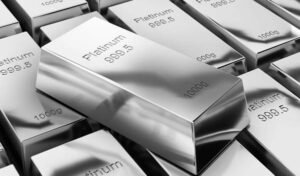
A small silver coin sits quietly inside a cupboard while financial markets rise, fall and recover. It does not pay interest or declare a dividend, yet its value keeps changing with industrial demand, inflation expectations, currency movements and investor sentiment. This combination of traditional value and modern industrial use makes silver an interesting—but unpredictable—investment.
Silver can be purchased as coins, bars, exchange-traded funds, digital silver or commodity contracts. It may help diversify a portfolio and can be more affordable than gold. However, its price can be highly volatile, and physical silver involves storage, purity and resale concerns. Investors should understand both sides before committing their money.
What Is Silver Investment?
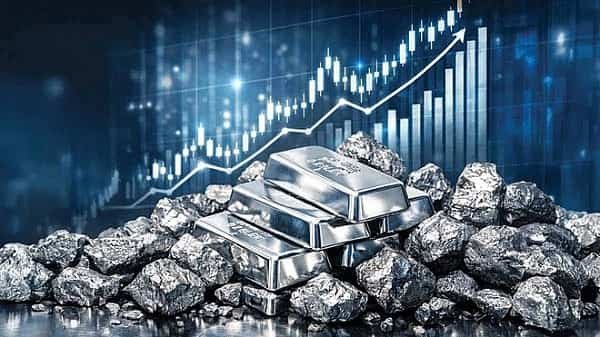
Silver investment means purchasing silver or a silver-linked financial product with the expectation that its value may increase over time.
Common methods include:
- Physical silver coins and bars
- Silver exchange-traded funds
- Silver fund-of-funds
- Digital silver
- Shares of silver-mining companies
- Silver futures and other commodity contracts
Each method carries different levels of risk, cost and complexity. Physical silver provides direct ownership, while an exchange-traded fund may offer easier buying and selling. Futures are considerably more complex because leverage can magnify both gains and losses.
Advantages of Silver Investment
1. Silver Can Diversify a Portfolio
Silver may behave differently from shares, bonds and traditional savings products. Adding a limited amount of silver can reduce dependence on a single asset class.
Diversification does not guarantee protection from losses, but it can help spread risk across different investments. Silver should normally form one part of a broader portfolio rather than becoming the investor’s only asset.
2. It Is More Affordable Than Gold
Silver generally has a much lower price per gram than gold. This allows investors with a smaller budget to purchase physical quantities gradually.
A person who cannot afford a gold coin may still be able to buy a small silver coin or begin investing through a silver fund. This makes silver accessible to first-time precious-metal investors.
However, investors should compare total costs rather than looking only at the metal’s quoted price.
3. Strong Industrial Use Supports Demand
Silver is not used only for jewellery, coins and decorative items. It is also used in electronics, electrical equipment, solar technology, automobiles, grid infrastructure and several emerging technologies.
Industrial silver demand reached a record level in 2024, supported by electronics, vehicle electrification, solar applications, grid development and artificial-intelligence-related uses. This industrial importance can support long-term demand, although technological substitution and reduced silver use per product may affect future consumption.
4. It May Provide Protection During Uncertainty
Some investors purchase precious metals when they are concerned about inflation, currency weakness, financial instability or geopolitical tension.
Silver may attract additional investment demand during such periods. However, it should not be treated as completely safe. Precious-metal prices can remain volatile even during uncertain economic conditions, and past performance cannot predict future returns.
5. Physical Silver Provides Direct Ownership
Coins and bars are tangible assets. They do not depend on the performance of a company, fund manager or bank account.
Some investors value the ability to hold and store their investment personally. Physical silver can also be transferred or gifted without selling it through a stock exchange.
The owner must still protect it from theft, loss and damage.
6. Silver Can Be Bought in Different Forms
Investors can select a method that matches their needs.
Physical silver may suit people who want direct ownership. Silver ETFs may be more convenient for investors who prefer electronic transactions and do not want to arrange storage. Mining shares provide business exposure but also carry company-specific risks.
This flexibility allows investors to choose based on liquidity, cost, investment period and risk tolerance.
7. It May Offer Significant Price Appreciation
Silver prices can rise sharply when investment demand, industrial consumption or supply concerns increase.
The silver market has experienced periods when demand exceeded supply, while physical investment has also shown considerable changes from year to year. These conditions can create opportunities for price growth, but they also contribute to volatility.
Disadvantages of Silver Investment
1. Silver Prices Can Be Highly Volatile
Silver can experience sharp price movements within a short period. Its value is influenced by industrial activity, investor sentiment, currency changes, interest-rate expectations and the prices of other commodities.
An investor may face a significant loss if silver is purchased after a rapid rise and sold during a correction. Regulators warn that precious metals should not be presented as guaranteed or risk-free investments.
2. It Does Not Produce Regular Income
Physical silver does not pay interest, rent or dividends.
The investor earns a return only when the selling price is higher than the total purchase cost. Money may remain invested for years without producing cash flow.
This makes silver different from dividend-paying shares, bonds, fixed deposits or rental property.
3. Physical Silver Requires Safe Storage
Coins and bars need protection from theft, misplacement and damage. Large quantities can be heavy and require considerable storage space.
A bank locker or private vault may provide greater security, but storage charges can reduce the overall return. Insurance may create an additional expense.
Storage is not a major issue with exchange-traded products, although those products have their own management costs and market risks.
4. Buying and Selling Costs Can Be High
Physical silver is often sold above its actual metal value because of manufacturing charges, dealer margins and taxes. When the investor sells, the dealer may offer less than the current market price.
This difference between buying and selling prices is known as the spread. The CFTC has warned that bullion transaction costs and dealer spreads can be substantial.
Silver prices may therefore need to rise considerably before the investor earns a real profit.
5. Purity and Authenticity Can Be Difficult to Verify
Physical silver may be available in different purity levels. Jewellery and decorative silver can also include making charges that may not be recovered during resale.
Buying from an unknown seller increases the risk of receiving an impure, underweight or counterfeit product. Investors should purchase properly marked silver from a reliable source and retain the bill and purity certificate.
6. Silver May Underperform for Long Periods
Industrial demand and market shortages do not guarantee that prices will rise continuously.
Silver may remain stagnant or decline while shares, bonds or other assets perform better. Investors who place too much money in silver may miss opportunities in productive assets that generate profits or income.
7. Leveraged Silver Trading Is Risky
Silver futures and leveraged commodity products allow investors to control a larger position with a smaller amount of money.
This can increase profits when prices move favourably, but it can also create rapid and substantial losses. Regulators caution that leverage may require investors to deposit additional money when prices move against them.
Such products are generally unsuitable for beginners who do not understand margins and commodity-market risks.
How to Invest in Silver Carefully
Investors should first decide why they want silver. It may be used for diversification, long-term holding, gifting or short-term trading. Each purpose requires a different approach.
Before investing:
- Compare physical silver with regulated financial products.
- Check purity, dealer reputation and resale conditions.
- Understand storage and transaction costs.
- Avoid borrowing money to purchase silver.
- Do not act on guaranteed-return claims or online hype.
- Keep silver exposure suitable for the overall financial plan.
Silver should not replace emergency savings or money required for essential short-term expenses.
Final Thoughts
Silver offers a combination of precious-metal value and industrial importance. It can diversify a portfolio, provide direct ownership and allow smaller investors to enter the precious-metals market.
Its disadvantages are equally important. Silver does not generate regular income, its price can be volatile, and physical ownership brings storage, purity and resale costs.
A sensible silver investment begins with realistic expectations. It should be purchased through a reliable method, held as part of a diversified portfolio and reviewed according to the investor’s goals and risk tolerance.
Frequently Asked Questions
Q1. Are silver coins better than silver jewellery for investment?
A: Coins are generally more suitable because their value is easier to connect with weight and purity. Jewellery may involve higher making charges, which are often not fully recovered during resale.
Q2. Can silver become worthless because industries use substitutes?
A: Complete loss of value is unlikely, but some industries may reduce the quantity of silver used or replace it where possible. At the same time, electronics, automotive systems, data centres and other technologies continue to use silver because of its conductive properties.
Q3. How can inherited silver be valued?
A: Its value depends on weight, purity, condition and whether it has antique or collectible importance. A trusted jeweller or precious-metal dealer can test its purity, while valuable antique pieces may require a specialist appraisal.
Q4. Why is the shop’s silver price different from the market price?
A: The quoted market rate usually represents the metal value. A seller may add manufacturing costs, taxes and a profit margin. The shop’s repurchase price may also be lower, creating a difference between the amount paid and the amount recoverable.
Q5. Is silver suitable for emergency savings?
A: Physical silver is generally not ideal for emergency savings because it must be sold before the money can be used, and the resale price may be unfavourable. Emergency money is usually better kept in an accessible and relatively stable form.