Platinum Investment Advantages and Disadvantages
A small platinum bar may look quiet and ordinary, yet its price is influenced by car production, jewellery demand, industrial expansion, mine supply and investor confidence across the world. Unlike gold, platinum is valued not only as a precious metal but also as an important industrial material.
This combination can create attractive investment opportunities. However, it can also make platinum prices unpredictable. Before buying platinum coins, bars or exchange-traded products, investors should understand both the possible benefits and the risks.
What Is Platinum Investment?
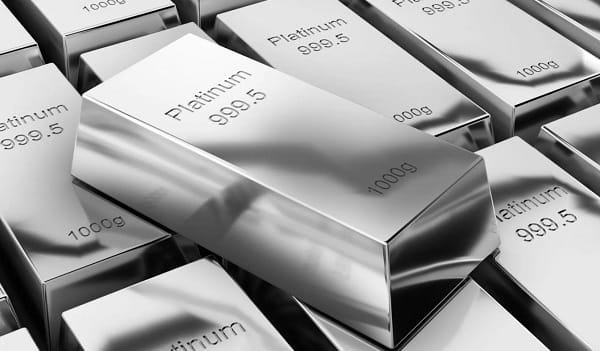
Platinum investment means purchasing physical platinum or a financial product linked to its price with the expectation of preserving wealth or earning a return.
Common ways to invest include:
- Platinum coins and bars
- Platinum exchange-traded funds or products
- Shares of platinum-mining companies
- Commodity mutual funds
- Platinum futures and other derivatives
Physical platinum provides direct ownership. Exchange-traded products may be easier to buy and sell, while mining shares provide exposure to companies involved in production. Futures are more complex because leverage can increase both profits and losses.
Advantages of Platinum Investment
1. Platinum Is a Scarce Precious Metal
Platinum is rarer than many commonly traded metals, and its production is concentrated in a limited number of regions.
Restricted supply can support prices when demand increases or mining operations face disruption. Developing a new mine may also require considerable time, capital and regulatory approval.
Scarcity alone does not guarantee price growth, but it is an important part of platinum’s long-term investment appeal.
2. Strong Industrial Demand
Platinum has significant industrial uses. Automotive demand has historically been its largest demand segment, while industrial applications form another major part of consumption. The metal is also used in jewellery and investment products.
It is used in areas such as:
- Vehicle emission-control systems
- Chemical processing
- Petroleum refining
- Glass manufacturing
- Medical equipment
- Electrical applications
- Hydrogen-related technology
This diverse demand means platinum is not dependent entirely on jewellery buyers or investors.
3. Can Diversify an Investment Portfolio
Platinum may perform differently from shares, bonds, property and traditional savings products.
Adding a limited platinum allocation can reduce dependence on one asset class. Investors may also use it alongside gold and silver to diversify their precious-metal holdings.
Diversification cannot prevent losses, but it may help create a more balanced portfolio.
4. Potential to Benefit From Supply Shortages
Platinum prices may rise when demand exceeds available mine production and recycled supply.
Production disruptions, mining difficulties, rising operational costs or geopolitical problems can tighten the market. The platinum market has experienced periods of supply deficits, although future forecasts can change with prices, recycling and economic conditions.
Investors should not purchase solely because a shortage is predicted. Market expectations may already be reflected in the current price.
5. Physical Platinum Provides Direct Ownership
Platinum coins and bars are tangible assets. Their ownership does not depend directly on the profitability of a company or the decisions of a fund manager.
Some investors prefer holding physical metal because it can be stored outside the conventional banking system. It may also be transferred or gifted.
However, direct ownership creates responsibility for security, insurance and proper storage.
6. Different Investment Methods Are Available
Investors do not need to purchase and store physical platinum.
Exchange-traded commodity products may provide exposure through a brokerage account. Such products can hold physical commodities, derivatives or a combination of assets, depending on their structure.
Mining shares may offer another route, although their performance depends on company management, operating expenses, debt and mine quality as well as platinum prices.
7. May Gain From Future Technologies
Platinum is associated with technologies involving fuel cells, hydrogen production and cleaner industrial processes.
Greater adoption of these technologies could support future demand. However, investors should be cautious about assuming that every new application will develop quickly or consume large quantities of platinum.
Technological change may increase demand in some sectors while reducing it in others.
Disadvantages of Platinum Investment
1. Platinum Prices Can Be Highly Volatile
Platinum prices can rise or fall sharply because the market is smaller than some other major commodity markets.
Prices may react to:
- Changes in vehicle production
- Global economic conditions
- Industrial demand
- Currency movements
- Mine disruptions
- Investor sentiment
- Substitution by other metals
Precious metals should not be treated as guaranteed or completely safe investments. Regulators warn that physical metals and commodity products remain exposed to price and market risk.
2. It Does Not Generate Regular Income
Physical platinum does not pay interest, rent or dividends.
An investor earns a profit only when the selling price exceeds the total purchase, storage and selling costs. Money may remain invested for years without producing cash flow.
This can make platinum less suitable for people who require regular retirement income.
3. Industrial Dependence Can Hurt Prices
Industrial demand is an advantage during economic expansion but can become a disadvantage during a slowdown.
If vehicle production, manufacturing or industrial investment declines, platinum consumption may fall. Changes in emission regulations or automotive technology may also affect demand.
Platinum can therefore behave partly like a precious metal and partly like an industrial commodity.
4. Physical Platinum May Be Difficult to Resell
Platinum has a smaller retail market than gold in many locations. Fewer jewellers and dealers may be willing to purchase platinum coins or bars.
The resale price may be below the quoted market price, especially when the product is from an unfamiliar refiner or lacks proper documentation.
Before buying, investors should check whether the dealer provides a clear repurchase facility.
5. Buying, Storage and Insurance Costs Reduce Returns
Physical platinum is generally purchased above its spot value. The additional amount may include manufacturing charges, dealer margins and applicable taxes.
Secure storage or insurance can create further expenses. Precious-metal regulators recommend checking the spot price, dealer profit, premiums, fees and resale terms before buying.
The platinum price may need to rise considerably before the investor makes a real profit.
6. Purity and Authenticity Must Be Verified
Fake, underweight or low-purity products may be sold by unreliable dealers.
Investors should purchase properly marked platinum from a recognised seller and obtain an invoice showing its weight and purity. Bars and coins from widely accepted refiners may be easier to resell.
Unsolicited calls, social-media promotions and guaranteed-return claims should be treated with caution.
7. Mining Shares Carry Additional Risks
A platinum-mining company’s share price does not always move in the same direction as platinum.
The company may face:
- Rising labour and energy costs
- Operational accidents
- Political uncertainty
- Debt problems
- Poor management
- Lower-quality mineral deposits
- Environmental restrictions
Mining shares may rise faster than the metal during favourable periods, but they can also suffer larger losses.
8. Futures and Leveraged Products Are Complex
Futures allow traders to control a large platinum position with a comparatively small deposit.
Leverage can increase gains, but it can also produce rapid losses and demands for additional money. Commodity investors should understand contract terms, margin requirements and the risk of losing more than the initial amount.
These products are generally unsuitable for inexperienced investors.
How to Invest in Platinum Carefully
First decide whether the purpose is diversification, long-term holding or short-term trading. The suitable investment method will depend on that objective.
When purchasing physical platinum, compare the spot price with the final dealer price. Check purity, weight, storage arrangements and resale conditions.
For an exchange-traded product, examine whether it holds physical metal or uses derivatives. Review management charges and trading liquidity.
Platinum should not replace an emergency fund or become the investor’s entire portfolio. Avoid borrowing money to purchase it, and do not invest simply because its price has recently increased.
Final Thoughts
Platinum can offer scarcity, industrial demand, portfolio diversification and exposure to developing technologies. It is available through physical metal, exchange-traded products and mining shares.
Its disadvantages are equally important. Prices can be volatile, physical platinum does not produce income, and storage and dealer charges can reduce returns. The metal’s dependence on manufacturing and automotive demand also makes it sensitive to economic conditions.
Platinum may be suitable as a limited part of a diversified portfolio for an investor who understands commodity risk and can tolerate substantial price movements.
Frequently Asked Questions
Q1. Is platinum jewellery a good investment?
A: Platinum jewellery may retain metal value, but its purchase price includes design, labour and retail charges. These costs may not be recovered during resale. Coins or bars are generally easier to value as investments.
Q2. Why can platinum sometimes cost less than gold?
A: Gold and platinum have different demand and supply conditions. Gold receives strong investment and central-bank demand, while platinum is more dependent on automotive and industrial consumption. Rarity alone does not decide market price.
Q3. Is platinum easy to test for purity?
A: Professional dealers can test platinum using specialised equipment. Investors should not depend only on appearance because platinum can resemble other white metals. Proper hallmarks, certificates and invoices are important.
Q4. Can platinum be passed to family members?
A: Yes. Physical platinum can be gifted or inherited. Owners should maintain purchase records, purity documents and secure instructions explaining where the metal is stored.
Q5. Is platinum suitable for a monthly investment plan?
A: Regular investing may reduce the risk of purchasing the entire amount at one high price. However, availability, dealer premiums and platform charges should be checked because small frequent physical purchases may be expensive.