Digital Gold Investment Advantages and Disadvantages
A few taps on a mobile phone can now purchase gold worth ₹100 or ₹500. No jewellery shop visit, no heavy locker, and no need to buy an entire coin. The app shows the quantity owned, its current value and an option to sell it whenever required.
This convenience has made digital gold popular among small investors. However, the gold may be stored by a private provider, while the investor holds only a digital claim. Charges, platform failure and limited regulatory protection can affect the investment. Understanding both the advantages and disadvantages is therefore essential.
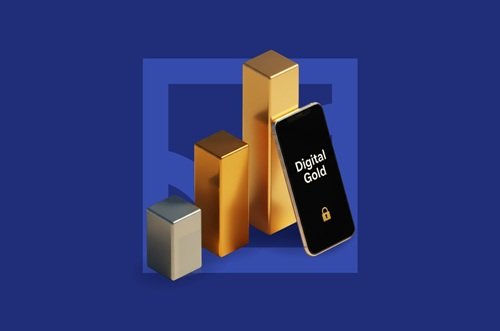
What Is Digital Gold Investment?
Digital gold allows a person to purchase small quantities of gold through an online platform. The service provider generally arranges for an equivalent quantity of physical gold to be purchased and stored in a secure vault on the customer’s behalf.
The investor can usually sell the holding online or request delivery in the form of a coin or bar, subject to the provider’s minimum quantity, charges and delivery rules.
Digital gold should not be confused with Gold Exchange-Traded Funds or Electronic Gold Receipts. In November 2025, SEBI clarified that digital gold products offered by online platforms operate outside its regulatory framework, while Gold ETFs and Electronic Gold Receipts are SEBI-regulated products.
Advantages of Digital Gold Investment
1. Can Be Started With a Small Amount
Digital gold allows people to purchase a fraction of a gram instead of buying a complete coin or bar.
This makes it accessible to students, young earners and investors with limited monthly savings. A person may also make small purchases regularly rather than waiting to collect a large amount.
The minimum purchase amount and transaction rules differ between platforms.
2. Offers Easy Online Access
Digital gold can normally be purchased through a mobile application or website at any time allowed by the provider.
The investor can check the quantity owned, view its current value and place a sale request without visiting a jeweller. This convenience may be useful for people who do not have a reliable gold dealer nearby.
3. Removes the Need for Home Storage
Physical gold kept at home may face the risk of theft, loss or damage. Digital gold providers generally arrange storage through professional vaulting partners.
This removes the immediate need to purchase a safe or rent a bank locker. However, the investor must still depend on the provider and vaulting arrangement to protect and maintain the gold.
4. May Be Converted Into Physical Gold
Many digital gold services allow investors to request delivery of coins or bars after accumulating the required quantity.
This can be useful for people saving gradually for a gift, festival or future jewellery purchase. Delivery, minting, packaging and insurance charges may apply, and available denominations can differ between providers.
5. Provides Exposure to Gold Prices
The value of digital gold generally moves with the price of physical gold, after considering the provider’s buying and selling rates.
Gold may help diversify a portfolio that otherwise contains only shares, bonds, bank deposits or property. Diversification can spread risk, although it cannot guarantee protection against losses.
6. No Jewellery-Making Charges at Purchase
When buying jewellery, customers normally pay design and making charges in addition to the value of the metal.
Digital gold is purchased primarily for its gold value. Jewellery-making charges are not normally included unless the holding is later converted into jewellery or another manufactured product.
The investor may still pay taxes, platform margins and other transaction charges.
7. Useful for Regular Gold Saving
Some platforms allow automatic or recurring purchases. This can help a person build a gold holding gradually through small instalments.
Regular buying may reduce dependence on purchasing the entire quantity at one price. However, it does not guarantee a profit or protect the investor from a long-term fall in gold prices.
Disadvantages of Digital Gold Investment
1. Digital Gold Is Not Regulated by SEBI
The most important disadvantage in India is the lack of securities-market regulation.
SEBI warned the public on November 8, 2025 that digital gold or e-gold products offered by online platforms are not regulated securities or commodity derivatives. Investors in these products do not receive the investor-protection mechanisms available for SEBI-regulated investments.
2. Investors Face Counterparty Risk
The investor depends on the platform, gold provider, custodian and vault operator.
If one of these parties fails, enters insolvency or does not maintain sufficient gold, the investor may face difficulty selling or receiving the promised metal. SEBI has specifically highlighted counterparty and operational risks connected with digital gold products.
3. Buying and Selling Prices Are Different
The platform’s selling price is normally higher than the rate at which it buys gold back from customers.
This difference is known as the spread. Taxes and provider margins can increase the initial cost, while delivery and minting charges may apply when physical gold is requested.
Gold prices may therefore need to rise before the investor can recover the complete purchase cost.
4. It Does Not Generate Regular Income
Digital gold does not pay interest, rent or dividends.
The investor earns a return only when the selling price exceeds the total purchase and transaction cost. Money invested in gold may remain unused for years without generating cash flow.
5. Gold Prices Can Fall
Gold is often considered a store of value, but its market price can decline or remain unchanged for extended periods.
Prices are influenced by global demand, inflation expectations, interest rates, currency movements and investor sentiment. Digital access does not remove the underlying market risk of gold.
6. Storage May Not Be Free Forever
Some providers offer free vault storage only for a limited period. After that, the customer may need to pay a fee, sell the holding or request physical delivery.
Investors should read the provider’s terms regarding storage duration, inactivity, account closure and unclaimed holdings before purchasing.
7. Physical Redemption Can Be Expensive
An investor may need to accumulate a minimum quantity before requesting delivery.
Minting, packaging, insurance and transport charges may make small redemptions expensive. The available coin sizes may also prevent the investor from withdrawing the exact quantity held.
8. Purity Claims Still Require Verification
Digital gold platforms commonly advertise high-purity gold, but the investor cannot personally inspect the metal while it remains in the vault.
When physical gold is delivered, the buyer should check the weight, purity details, invoice and refiner information. BIS explains that hallmarking provides official assurance of precious-metal purity, while eligible gold bullion and coins may be marked by BIS-approved refineries or mints.
How to Invest in Digital Gold Carefully
Before purchasing, identify the actual gold provider rather than relying only on the name of the payment app. Read the terms covering storage, insurance, audits, resale, delivery and account closure.
Compare the buying price with the immediate selling price to understand the spread. Also calculate taxes and possible physical-delivery costs.
Keep purchase invoices and transaction statements. Avoid placing emergency savings or a large part of the portfolio in digital gold.
Investors seeking regulated gold exposure may examine Gold ETFs or Electronic Gold Receipts. These products have their own market, brokerage and custody risks, but they fall within SEBI’s securities-market framework.
Final Thoughts
Digital gold makes gold investment simple, affordable and convenient. It allows small purchases, removes the need for home storage and may provide an option to convert accumulated holdings into coins or bars.
Its convenience should not hide its risks. Digital gold is not regulated by SEBI, and investors depend heavily on private platforms and service providers. Buying and selling spreads, taxes, storage rules and delivery charges can also reduce returns.
Digital gold may be useful for limited, short-term gold accumulation, but it should be purchased only after checking the provider’s reliability and understanding the absence of normal securities-market protection.
Frequently Asked Questions
Q1. What happens if the digital gold app closes?
The app may only be a distributor, while another company provides and stores the gold. Investors should identify the actual provider and understand how their holdings can be accessed if the app stops operating.
Q2. Can digital gold be transferred between different apps?
Usually, holdings purchased through one provider cannot be transferred directly to another app. The investor may need to sell the gold or request physical delivery first.
Q3. Can someone gift digital gold to another person?
Some platforms provide a gifting facility. The recipient may need an account, mobile number and identity verification. The conditions and minimum amount vary between providers.
Q4. Is digital gold suitable for buying jewellery later?
It may help accumulate gold gradually, but conversion terms must be checked. Jewellery-making charges, wastage, taxes and design costs may still apply when the gold is converted into jewellery.
Q5. Can digital gold be used as security for a loan?
Some financial businesses may accept eligible gold-linked holdings, but digital gold is not automatically accepted as collateral. Loan availability depends on the lender, provider and legal ownership structure.